Best Restaurants in Casablanca: A Local's Food Guide (2026)
I’ve lived in Casablanca since 2013 and I’ve eaten my way across this city more times than I can count. Most “best restaurants in Casablanca” lists online are written by people who visited for two days or, worse, never visited at all. They recommend the same five tourist spots and miss everything that makes eating in Casa special.
This guide is different. These are the places I go to regularly — the restaurants where I bring friends when they visit, the street stalls where I grab lunch, the cafés where I spend my mornings. Some are fancy, most aren’t. All of them are worth your time and money.
Here’s where to eat in Casablanca, organized by what kind of food experience you’re looking for.
The First Rule: Eat Where Locals Eat
Before I list specific restaurants, let me share the most important food tip for Casablanca: your neighborhood choice determines your eating experience more than any restaurant review.
Maarif is the best neighborhood for everyday local eating. This is where Casablancans go for casual meals, affordable restaurants, and authentic Moroccan food. Prices are fair, quality is consistent, and the atmosphere is real. If I had to eat in one neighborhood for the rest of my life, it would be Maarif.
Gauthier has the highest concentration of quality restaurants and is ideal for a special dinner out. It’s a neighborhood of narrow streets lined with terraces, bistros, and upscale Moroccan spots. This is where business lunches and date nights happen.
The Corniche & Ain Diab are where you go for seafood with ocean views. Some restaurants here are overpriced tourist traps, but the ones I’ll share are genuinely excellent. The setting — the Atlantic crashing against the shore while you eat grilled fish — is hard to beat.
The Port area is where you find the cheapest, freshest, and most authentic seafood in the city. No frills, no menus, no pretension. Just incredible fish.
Read more about Casablanca’s neighborhoods.
Best Traditional Moroccan Restaurants
If this is your first time in Morocco, you need to experience a proper traditional Moroccan meal: tagine served in the conical clay pot, couscous piled high with vegetables and tender meat, bastilla (the sweet-savory pastry that’s uniquely Casablancan), and mint tea poured from a height.
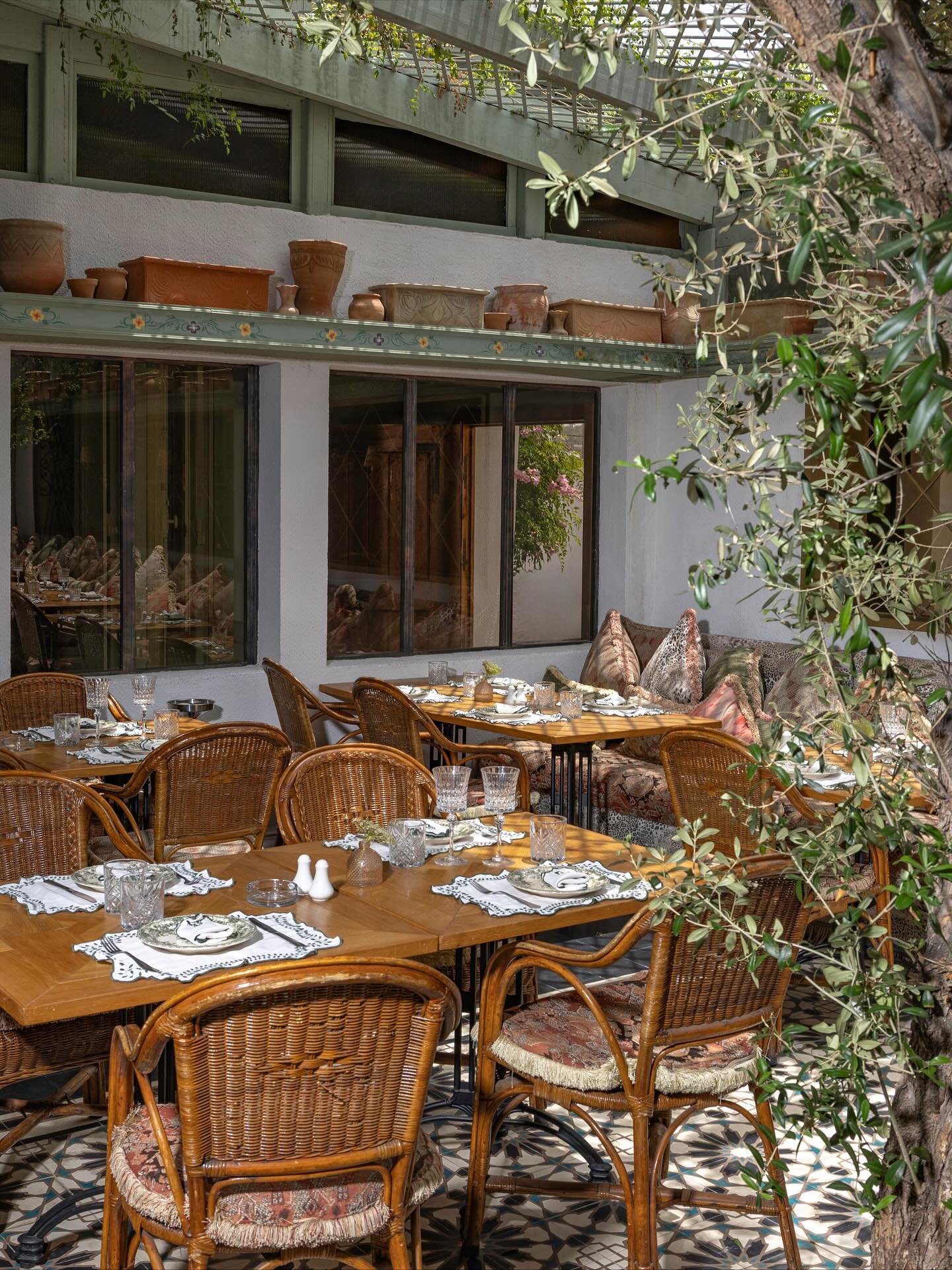
La Sqala. Tucked inside the walls of an 18th-century fortified bastion near the Old Medina, La Sqala is the kind of restaurant that makes you understand why people fall in love with Morocco. The courtyard is filled with bougainvillea and citrus trees, and the traditional menu is excellent. I’ve brought every single visitor here. The tagines are flavorful without being oversalted (a common problem in tourist restaurants), and the atmosphere is magical, especially in the evening.
- What to order: Any of the tagines (chicken with preserved lemons and olives is the classic), the bastilla, and mint tea served the traditional way.
- Budget: Moderate (expect 120–200 MAD per person for a full meal).
- Location: Near the Old Medina — easy to combine with a medina visit.
Al-Mounia. A Casablanca institution, Al-Mounia has been serving traditional Moroccan cuisine in a beautiful garden setting since the 1960s. From the outside, it looks like an ordinary doorway. Step inside and you’re in a lush garden oasis with fountains, tiles, and carved plaster. The food is consistently excellent and the service is warm without being overbearing.
- What to order: The lamb tagine with prunes and almonds, Friday couscous (if you’re there on the right day), and the traditional Moroccan salad starters.
- Budget: Moderate to high (150–300 MAD per person).
Best Seafood in Casablanca
Casablanca sits on the Atlantic Ocean, which means the seafood here is some of the freshest you’ll eat anywhere in the world. This is where the city’s food scene truly shines.
The Port Fish Stalls — My #1 Recommendation. This is my absolute favorite place to eat in all of Casablanca, and you won’t find it in any guidebook. Walk deep into the fishing port, past the fancy restaurants that charge Paris prices. Follow the smell. The stronger it gets, the closer you are.
Eventually you’ll find temporary wooden bars — basically benches with a makeshift kitchen — where fishermen serve whatever they caught that morning. There’s no menu. You eat what’s fresh. Grilled sardines, mixed fish plates, mkila (eggs with tomato sauce and shrimp) — all cooked right in front of you over charcoal.
- Budget: Incredibly cheap. 30–60 MAD for a generous plate.
- When to go: Before noon. These stalls close when the day’s catch runs out, usually by early afternoon.
- Location: Deep inside Casablanca’s fishing port, near Casa-Port train station.
Local tip: These are cash-only, no-frills spots. Don’t expect napkins or fine china. Do expect some of the best fish you’ve ever eaten. Bring wet wipes.
Le Cabestan. If you want seafood with a view, Le Cabestan is the place. Perched right on the ocean near the El Hank lighthouse, this restaurant combines excellent Mediterranean-Moroccan seafood with one of the most dramatic dining settings in the city. The Atlantic literally crashes against the rocks below your table.
- What to order: Fresh oysters (from Dakhla in southern Morocco), grilled squid, or the catch of the day. The wine list includes Moroccan vintages worth trying.
- Budget: High (300–500 MAD per person). This is a splurge-worthy experience.
Itsasoa. Sun-drenched, water-facing tables with a full view of the coastline and palm trees make Itsasoa one of the loveliest lunch spots in the city. The seafood feast here is generous — grilled octopus, fried calamari, and a poached-egg dish all showed up on my table on my last visit, and I didn’t have a single complaint.
- What to order: The seafood feast for the table, grilled octopus.
- Budget: High.
Marché Central Restaurants. Right inside the Central Market in downtown Casablanca, several small restaurants serve freshly caught seafood at prices far below the Corniche. You pick your fish from the market stalls, they cook it for you. Simple, fresh, and affordable.
- Budget: Low to moderate (60–120 MAD per person).
Best Budget Eats and Street Food
You don’t need money to eat incredibly well in Casablanca. Some of my happiest food memories involve a 15 MAD sandwich eaten standing up at a counter.
Msemen and harcha stands. Every morning across Casablanca, women set up small stands selling msemen (flaky, buttery Moroccan pancakes) and harcha (semolina griddle bread). These cost almost nothing — 5 to 10 MAD each — and they’re the most authentic Moroccan breakfast you can have. Stuff them with honey, cheese, or khlii (preserved meat), and pair with a glass of fresh orange juice from the vendor next door.
Sandwich shops in Maarif. The sandwich shops in Maarif are a Casablancan institution. For 15–25 MAD, you get a fresh baguette stuffed with grilled meat, kefta (spiced ground beef), or mixed vegetables. They’re everywhere, they’re fast, and they’re delicious. Look for the ones with the longest lines — that’s always a good sign.
Derb Ghallef food stalls. Most tourists have never heard of Derb Ghallef. It’s a huge market mainly known for electronics and second-hand goods, but hidden between the stalls are some of Casablanca’s best street food vendors. Grilled merguez (spicy lamb sausage) sandwiches, brochettes, and bowls of harira (the tomato-lentil soup that Moroccans eat to break their fast during Ramadan, but which is available year-round at street stalls).
- Budget: Very low. 15–40 MAD for a full meal.
Fresh juice stands. They’re on almost every corner, and they’re glorious. Freshly squeezed orange juice for 5–10 MAD, avocado smoothies, mixed fruit juices. Morocco’s orange juice is the best I’ve tasted anywhere in the world — sweet, cold, and absurdly cheap. Stop at one multiple times a day. I do.
Best International Restaurants
One thing that surprises visitors about Casablanca is how cosmopolitan the food scene is. This is Morocco’s most international city, and the restaurant variety reflects that.
French & Mediterranean
The French colonial legacy means Casablanca has some excellent French restaurants and bistros. Gauthier is the neighborhood for this — you’ll find terraces serving everything from steak-frites to duck confit, at quality that rivals good Parisian bistros, often at much lower prices.
Le Relais de Paris is a favorite of mine for seaside French dining — an airy, white-tablecloth room with large windows looking out over palm trees and the ocean. A sophisticated, coastal take on classic French cooking.
GLAZ By Chez Fred does French and Breton cuisine in a cozy, dark-teal-fronted space that comes alive at night. The fried croquettes with a creamy dip are a great way to start, eaten at the blue-and-green tiled tables over a cocktail.
Asian Cuisine
Casablanca has a growing Asian food scene. There are solid Japanese, Chinese, Thai, and Korean restaurants scattered across the city. I was particularly impressed by a Korean barbecue restaurant near Parc de la Ligue Arabe where you cook the food at your table — my kids loved it, and I write more about that experience in my Casablanca with kids guide.
For Japanese specifically, two spots stand out. Koya Restaurant Lounge is a striking lounge with Balinese-style wooden masks and golden decor — go for the salmon carpaccio and the sashimi platters. Enso leans into a cleaner Japanese aesthetic, with large yellow paper lanterns hanging from the ceiling and a focus on premium sushi nigiri like tuna and mackerel.
Italian
There are several good Italian restaurants in Casablanca, particularly in Gauthier and Maarif. I’ve written a full guide to my 5 favorite Italian restaurants in the city, but two more worth knowing:
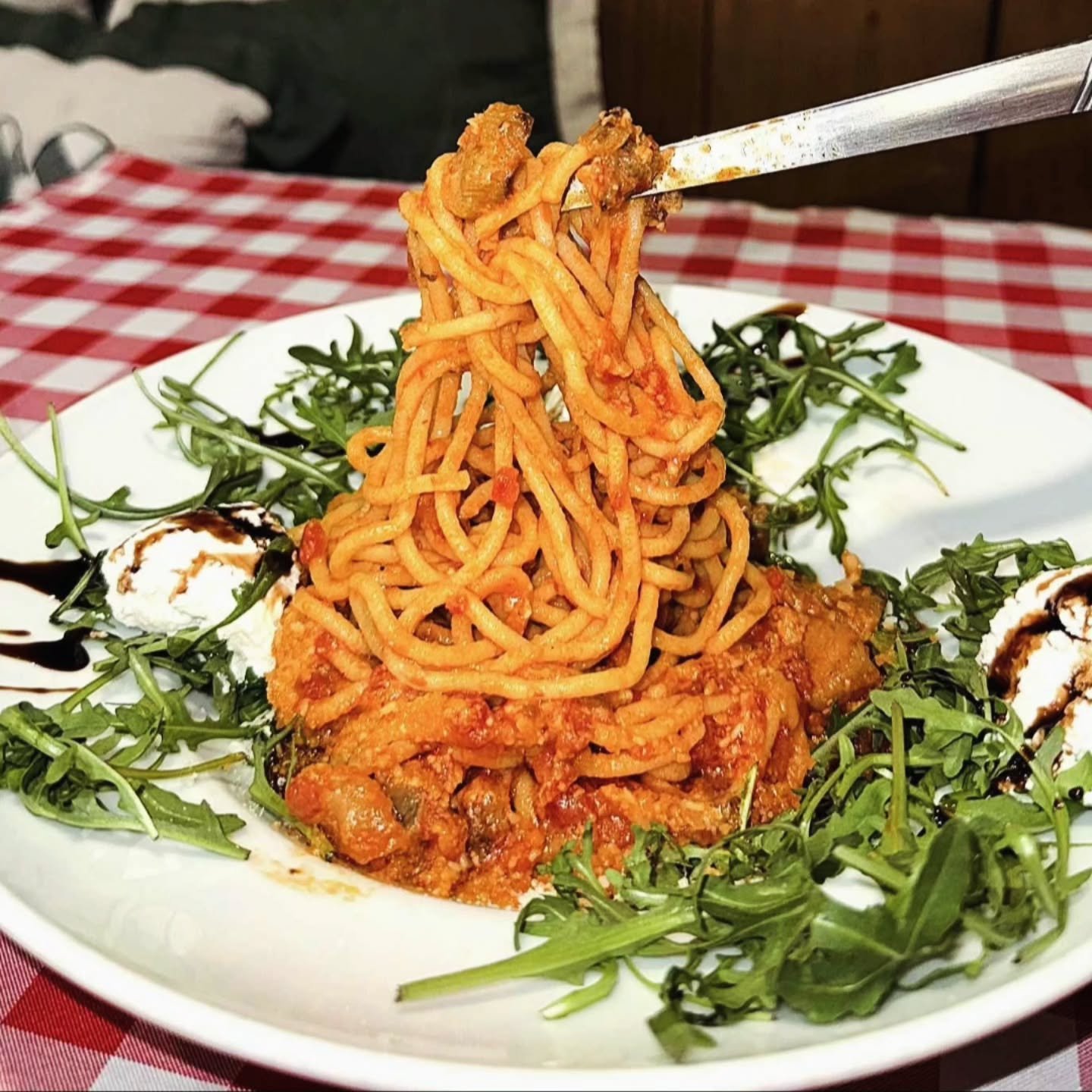
Otto Pizza Napoletana specializes in authentic Neapolitan pizza — proper charred crusts, fresh basil, classic Italian flavors, in a casual-but-refined room. Il Ferrarino – Ristorante Passione Italiana goes for a modern, minimalist look, with a sleek concrete entrance that sets the tone for its contemporary take on Italian cooking.
Best Cafés for Coffee, Tea & People-Watching
Café culture is a central part of Casablancan life. Moroccans spend hours in cafés — meeting friends, doing business, or simply watching the world go by. Here are the types of café experiences you should try:
Traditional Moroccan cafés are where older men sit for hours over a single glass of mint tea or nous-nous (half coffee, half milk). They’re typically male-dominated spaces, but as a woman, I’ve sat in plenty of them without issue — you’ll just get a few curious glances. The mint tea is always perfectly sweet and poured from a height, and a glass costs 8–12 MAD.
Modern cafés have exploded in recent years. In Maarif and Gauthier, you’ll find stylish spots with good coffee, Wi-Fi, and a relaxed atmosphere where freelancers work on laptops and friends catch up over brunch. These feel completely European in vibe but with a distinctly Moroccan twist.
Splurge-Worthy Restaurants for a Special Occasion
If you’re celebrating or just want to treat yourself, Casablanca has some genuinely world-class dining.
Rick’s Café. Yes, it’s named after the Humphrey Bogart film (which wasn’t actually filmed in Morocco, but never mind). The Art Deco interior is gorgeous, the piano music sets the mood, and the food is decent. It’s more about the experience than the cuisine, but it’s a Casablanca institution that’s worth doing once.
- Budget: High (200–400 MAD per person). Reservations recommended.
- Location: Just outside the Old Medina.
Le Rooftop at Royal Mansour. If you want the most glamorous dining experience in Casablanca, this is it. Rooftop views over the entire city, exquisite cocktails (or mocktails), and beautifully crafted small plates. The price matches the prestige, but for a once-in-a-trip splurge, it’s memorable. For more rooftop options, see my guide to Casablanca’s best rooftop bars.
Practical Tips for Eating in Casablanca
When do Casablancans eat?
- Breakfast: 8:00–10:00 AM. Msemen, harcha, fresh juice, and coffee.
- Lunch: 12:30–2:30 PM. The main meal of the day for many Moroccans. Friday lunch is sacred — that’s couscous day.
- Dinner: 8:00–10:00 PM (later in summer). Casablancans eat late by European standards.
Tipping. Tipping is appreciated but not as formalized as in the US. In restaurants, rounding up or leaving 10–15% is generous and appreciated. At street food stalls and small cafés, rounding up to the nearest 5 or 10 MAD is enough.
Friday = couscous day. This is non-negotiable Moroccan tradition. On Fridays, families gather for couscous. Most restaurants serve it on Fridays only. If you’re in Casablanca on a Friday, make it a point to order the couscous — it’s the most Moroccan thing you can do.
Ramadan. During Ramadan, most restaurants and cafés close during daylight hours and reopen after sunset for iftar (the breaking of the fast). This is actually a magical time to eat in Casablanca — the evening streets come alive with food vendors. If you’re visiting during Ramadan, embrace it: eat a huge iftar meal after sunset and snack from street stalls through the evening.
Vegetarian and vegan. Traditional Moroccan restaurants aren’t the most vegetarian-friendly (most tagines include meat), but it’s not impossible. Vegetable tagines exist, couscous can be made without meat, and salads are plentiful. Modern restaurants in Gauthier and Maarif are much more accommodating.
Budget breakdown: Street food meal: 15–40 MAD ($1.50–$4). Local restaurant lunch: 50–100 MAD ($5–$10). Mid-range dinner: 150–250 MAD ($15–$25). High-end dinner: 300–500+ MAD ($30–$50+). Fresh orange juice: 5–10 MAD (~$0.50–$1).
FAQs
What is Casablanca’s signature dish? While tagine is Morocco’s national dish, Casablanca is particularly known for its seafood (especially grilled sardines from the port) and bastilla, a sweet-savory pastry filled with pigeon or seafood, wrapped in paper-thin warqa pastry, and dusted with cinnamon and powdered sugar.
Is the food in Casablanca safe to eat? Yes. I eat street food, market food, and restaurant food regularly and have for over a decade. Use common sense: eat at busy stalls where food turnover is high, and food is cooked fresh in front of you.
Can I drink alcohol in Casablanca? Yes. Morocco is a Muslim country, but Casablanca is relatively liberal. Many restaurants (especially upscale ones, French bistros, and hotel restaurants) serve wine, beer and cocktails. Traditional Moroccan restaurants and street stalls generally do not serve alcohol.
Do I need to make reservations? For popular restaurants like La Sqala, Rick’s Café and Le Cabestan, reservations are recommended, especially for dinner and on weekends. For casual restaurants and cafés, just walk in.
Is Casablanca’s food different from Marrakech’s? Noticeably, yes. Casablanca’s food leans more international and seafood-focused, while Marrakech’s is more traditionally Moroccan. Casablanca also has a much stronger café culture and more diverse international dining options.
Where should I eat if I only have one meal in Casablanca? If it’s daytime, go to the port fish stalls for the most authentic and unforgettable Casablanca experience. If it’s evening, La Sqala for traditional Moroccan dining in a magical setting.
Casablanca’s food scene is one of the most underrated in the entire Mediterranean. While tourists flock to Marrakech for food tours, they’re missing a city where the Atlantic Ocean delivers the freshest fish every morning, where French colonial influence created a bistro culture that rivals Paris, and where a 10-dirham orange juice from a street corner tastes better than anything you’ll drink in a five-star hotel.
The secret to eating well in Casablanca is simple: go where the locals go. If the place is full of Casablancans, it’s good. If it’s full of tourists, keep walking.
What’s your favorite restaurant in Casablanca? If you’ve eaten somewhere amazing that I haven’t mentioned, drop it in the comments — I’m always looking for my next great meal!
Read my complete guide to things to do in Casablanca. Wondering about safety? Read my honest guide to staying safe in Casablanca. Visiting the Hassan II Mosque? Here’s everything you need to know.