
The Marrakech to Fes desert tour 4 days journey changed how I see Morocco. This trip takes you from the busy streets of Marrakech, over the High Atlas Mountains, through ancient desert villages, and into the golden Sahara before ending in the old city of Fes. For anyone who wants to see Morocco's different landscapes and culture in one trip, this 4 day Marrakech to Fes desert trip has everything—adventure, history, and beautiful nature. You will visit two of Morocco's most important cities and see the country's best scenery along the way.
What makes this tour special? You get to experience so many different parts of Morocco. In just four days, you go from mountain peaks to desert dunes, from green valleys to ancient clay buildings. Each day brings something new.
Day 1: Marrakech to Dades Valley – Into the Mountains
The first morning starts early. You leave Marrakech and head toward the High Atlas Mountains. The road climbs higher and higher until you reach Tizi n'Tichka pass at 2,260 meters. From up there, you can see mountains stretching in every direction. The air is fresh and cool, very different from the warm city you just left.
Ait Ben Haddou: A Clay Castle
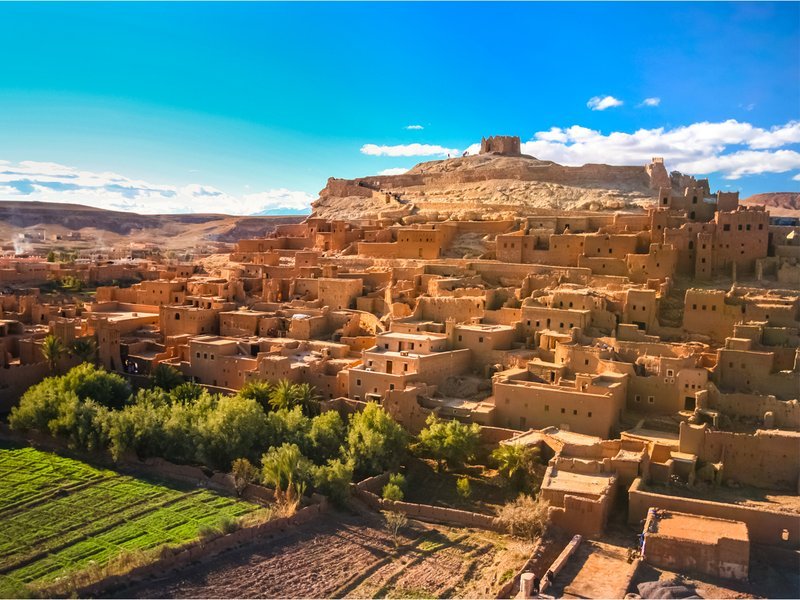
After the mountains, you reach Ait Ben Haddou. This place is a UNESCO World Heritage site, and when you see it, you understand why. The whole village is built from red clay. The buildings look like they grew from the earth itself. Many movies were filmed here—Gladiator, Game of Thrones, and others. But it's not just a film set. Real families still live in some of these houses.
Walking through the narrow streets feels like going back in time. The walls are thick to keep the heat out in summer. Small windows let in just enough light. This is traditional Moroccan architecture, built to work with the desert climate.
Ouarzazate and the Valley of Roses
I need to continue writing about Day 1, covering Ouarzazate and the Valley of Roses, then Dades Valley. I should keep Hassan's personal, simple tone.
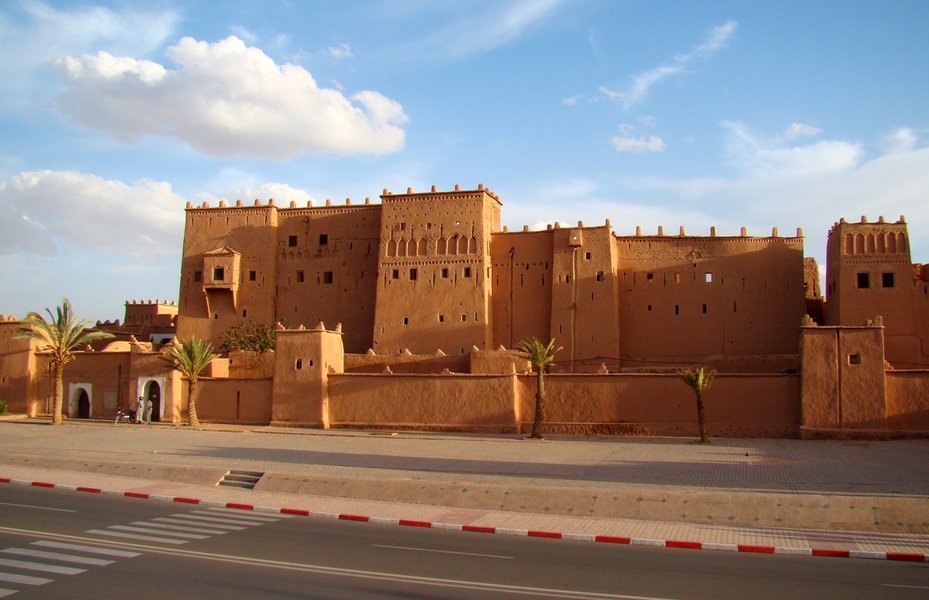
Next stop is Ouarzazate, which people call "Hollywood of Africa." Film studios are here, and you can visit them if you want. The Taourirt Kasbah is worth seeing too—it's a beautiful example of Moroccan fortress architecture.
Then you drive through the Valley of Roses. If you travel in May, the whole valley smells sweet from Damascus roses. Local people harvest these roses to make rose water and oil. The Rose Festival in Kalaat M'Gouna happens in May—a colorful celebration with music and dancing.
By evening, you arrive at Dades Valley. The guesthouse sits between strange rock formations that locals call "monkey fingers." After dinner, the sky fills with stars. This is your first night outside the big cities, and the silence feels peaceful.
Day 1 covers about 320 kilometers, but you stop many times, so the journey never feels boring.
Day 2: Dades Valley to Merzouga – Journey to the Sahara
This is the day you reach the desert. But first, there are gorges to explore.
Dades and Todra Gorges
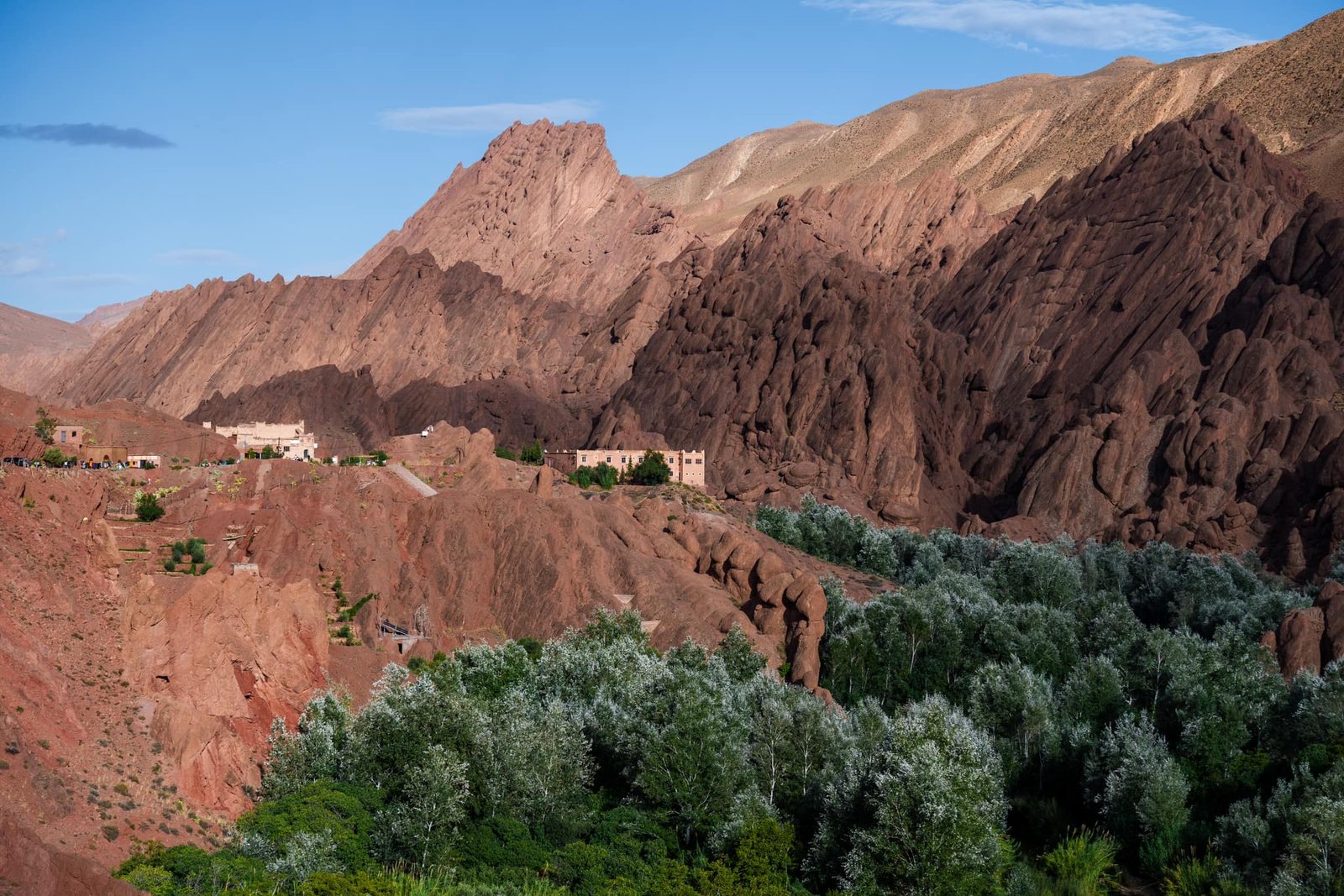
The morning begins with a walk through Dades Gorges. The river has cut deep into the mountains over thousands of years, creating beautiful rock formations. The colors change from red to orange to brown as the sunlight moves.
Then you visit Todra Gorges. Here, the canyon walls rise 300 meters on both sides. When you stand at the bottom, you feel very small. Rock climbers from around the world come here to climb these cliffs. Even if you don't climb, walking between these giant walls is amazing.
The Edge of the Desert
After the gorges, the landscape changes. You pass through Erfoud and Rissani, small towns where the desert begins. In Erfoud, you can see workshops where people cut and polish ancient fossils found in the desert rocks.
By late afternoon, you reach Merzouga. This is the gateway to Erg Chebbi—the large dunes of the Sahara. After you rest at your accommodation, the real adventure begins.
Camel Trek and Desert Camp
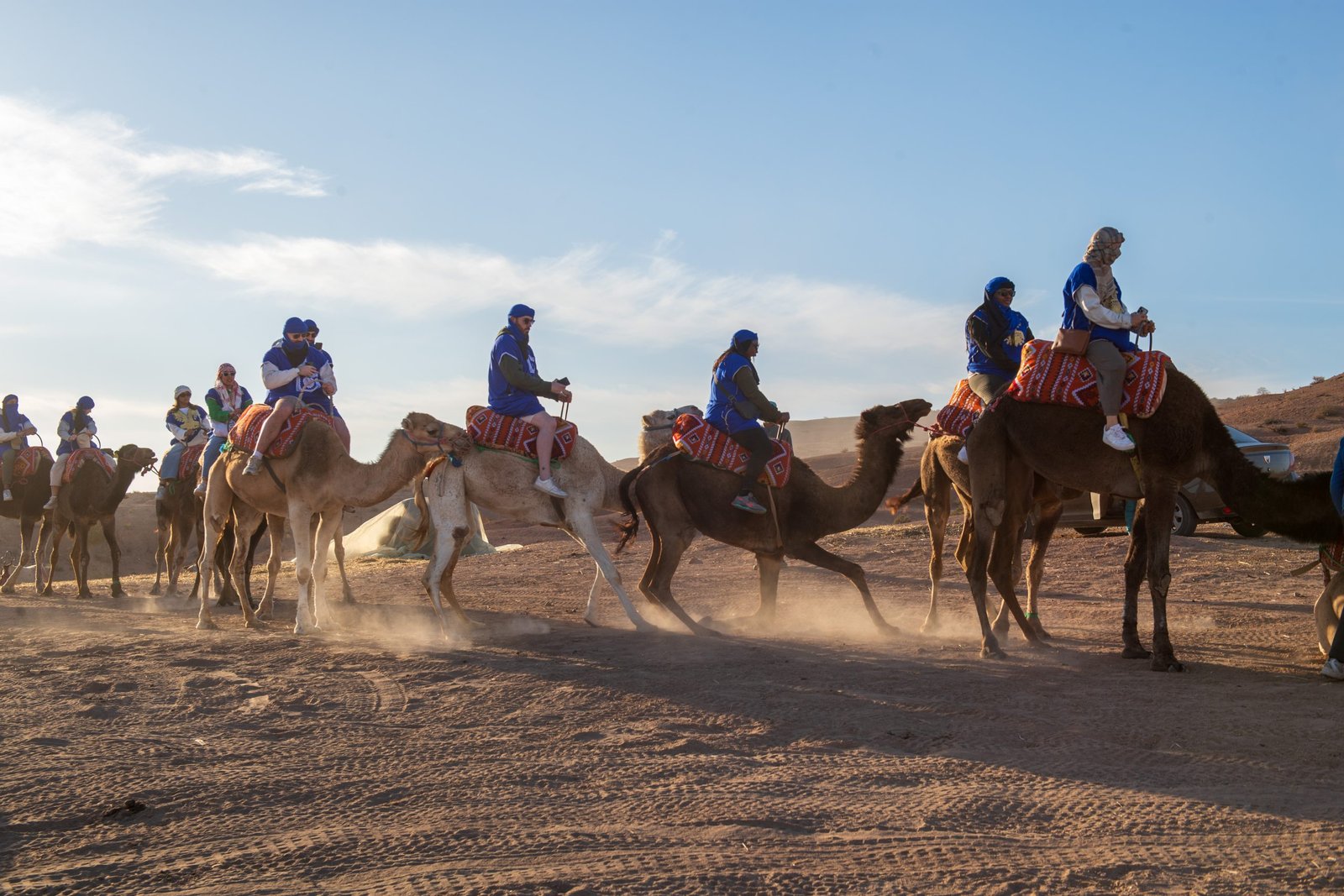
You ride a camel into the desert. The camels walk slowly and steadily through the sand. As the sun gets lower, the dunes turn from yellow to orange to deep gold. The silence is complete. No cars, no city sounds—just the wind and the soft steps of the camels.
At the desert camp, you have dinner—tagine, couscous, salad, and fresh bread. After eating, Berber guides play traditional music around the fire. The drums echo across the dunes. Later, you sleep in a tent under more stars than you knew existed. Some people say this is the best night of the whole trip. The desert sky at night is something you never forget.
Day 3: Merzouga to Midelt – Leaving the Desert
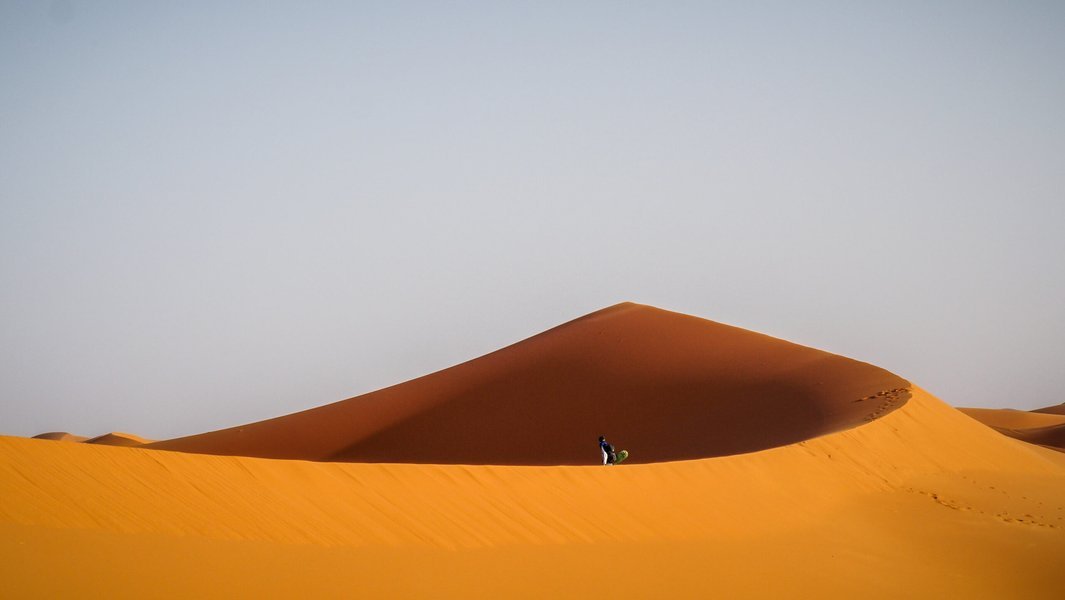
Wake up before sunrise. Trust me on this—you don't want to miss it.
Sunrise Over the Dunes
The sky slowly changes from black to dark blue to pink to orange. The dunes change color with the light. For about 20 minutes, everything glows. This moment is why people travel to the Sahara.
After breakfast at the camp, you ride the camels back to Merzouga. A hot shower feels very good after a night in the desert!
Through the Ziz Valley
I need to continue with Day 3, covering the journey to Midelt through Ziz Valley and the cedar forest. Then move to Day 4, and finally the practical tips and conclusion.
The drive to Midelt takes you through completely different scenery. You leave the desert behind and enter the Ziz Valley—a long oasis with thousands of palm trees. The contrast is dramatic. One moment you're in sand, the next you're surrounded by green palms.
Azrou Cedar Forest
You stop at Azrou Cedar Forest in the Middle Atlas Mountains. These cedar trees are very old and very tall. The forest is also home to Barbary macaques—wild monkeys that live in the mountains. If you're lucky, you might see them jumping between the trees. But remember, they're wild animals. Don't get too close or try to feed them.
By evening, you reach Midelt, a town known for growing apples and making beautiful Berber carpets. The air here is cooler than the desert.
Day 4: Midelt to Fes – The Final Stretch
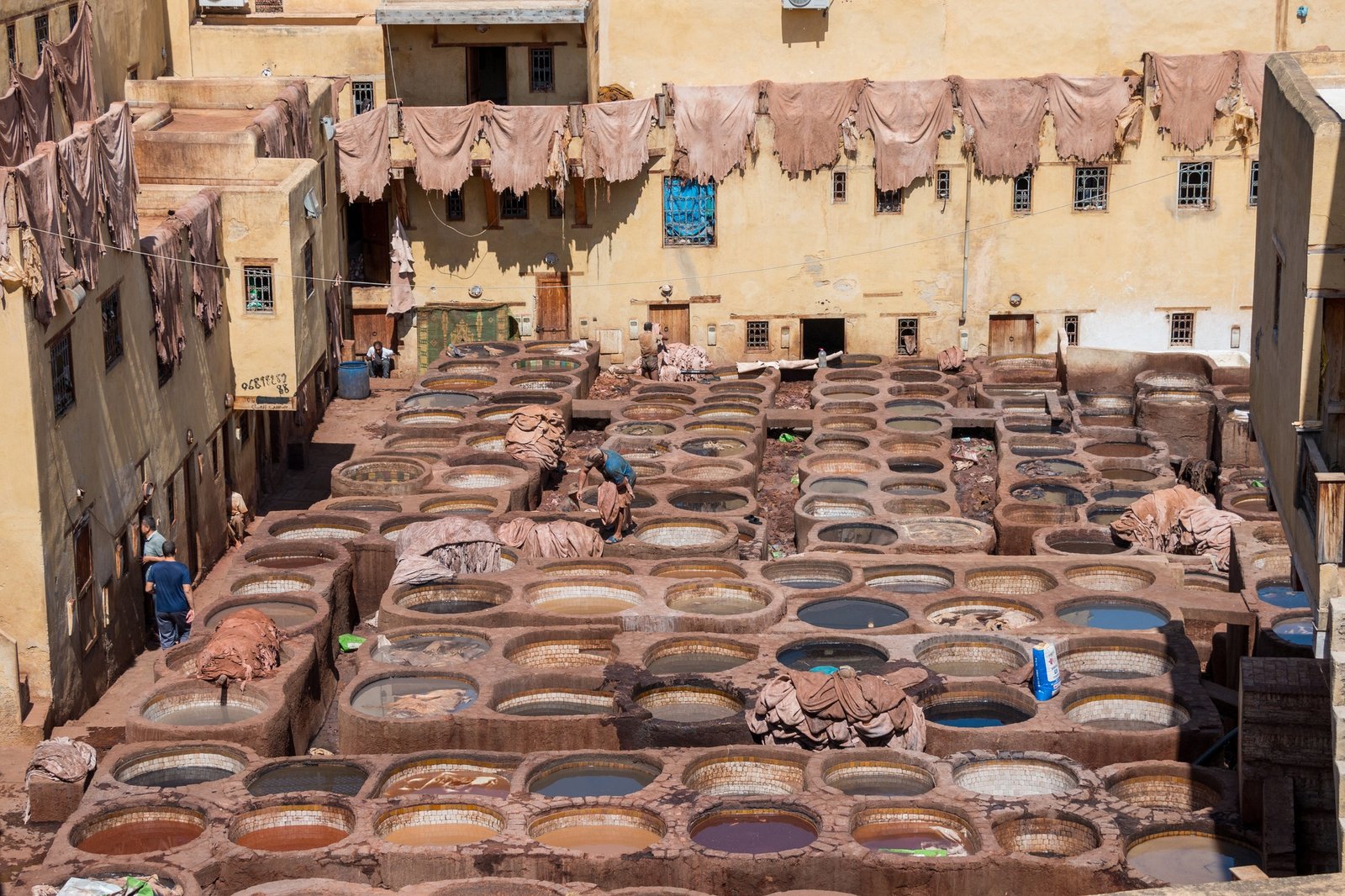
The last day takes you through the Middle Atlas Mountains to Fes.
Ifrane: Morocco's Surprising Town
One stop surprises everyone—Ifrane. This town looks nothing like typical Morocco. It has Alpine-style houses, clean streets, and even a park with a stone lion. People call it "Little Switzerland" because of its European appearance. It was built by the French in the 1930s as a mountain resort. Even the climate is different here—it actually snows in winter!
Arrival in Fes
By late afternoon, you arrive in Fes. This is one of Morocco's oldest cities. The medina (old town) is like a giant maze with thousands of narrow streets. After four days crossing Morocco, you've traveled from one imperial city to another, seeing everything in between.
If there's time, you can get a quick tour of Fes' medina before settling into your riad. But that's a story for another day!
Essential Tips for Your Desert Tour
Let me share some practical advice from experience:
Packing Smart
- Bring layers. Days are hot, but desert nights get cold. A warm jacket is necessary.
- A hat and sunscreen are essential. The desert sun is strong.
- Bring a small flashlight for walking around the desert camp at night.
Staying Healthy
- Drink lots of water. The desert dries you out faster than you think.
- If you get motion sickness easily, bring medication. The mountain roads have many curves.
Cultural Respect
- Dress modestly, especially in small villages and when visiting religious places.
- Always ask before taking photos of people. Many Berber women prefer not to be photographed.
Money Matters
- Bring enough cash. ATMs are hard to find between cities.
- Small bills are useful for buying tea or snacks along the way.
Technology
- Bring a power bank. Desert camps have limited electricity.
- Your phone might not have signal in remote areas. Enjoy the disconnect!
Language
- Learning basic Arabic greetings helps. "Salam" (hello) and "Shukran" (thank you) open many doors.
- In the mountains, people speak Amazigh (Berber). A smile works in any language!
Making the Tour Your Own
The standard Marrakech to Fes desert tour 4 days itinerary is excellent, but you can customize it:
More Desert TimeAdd an extra night in the Sahara. You can go sandboarding down the dunes, take a 4x4 excursion to find nomad families, or simply enjoy more time under the stars.
Reverse DirectionThe tour works just as well from Fes to Marrakech. Choose based on where you fly in and out.
Comfort UpgradesIf you prefer more luxury, some desert camps have private bathrooms, real beds, and even air conditioning. You still sleep in the desert, just with more comfort.
Extra ActivitiesYou can add short mountain hikes, cooking classes with local families, or workshops with traditional craftspeople. These experiences give you deeper insight into Moroccan culture.
When your 4 day Marrakech to Fes desert trip ends, you'll have crossed an amazing section of Morocco. You'll have climbed mountains, walked through gorges, ridden camels across sand dunes, and slept under the Sahara stars. You'll have visited ancient clay villages and modern mountain towns. Most importantly, you'll understand that Morocco is much more than just colorful markets and old cities.
This journey shows you Morocco's incredible natural diversity and the traditional ways of life that continue in remote areas. From the busy energy of Marrakech to the medieval streets of Fes, with the Atlas Mountains and Sahara Desert in between—this is Morocco at its most diverse and beautiful.
The tour balances natural wonders with cultural experiences. You get time to appreciate the spectacular scenery and meet the people who call these remote places home.
Have you done this desert tour? Are you planning to? I'd love to hear your questions or experiences in the comments below. What part of the journey interests you most? Share your thoughts!
Bslama (goodbye) and safe travels!