
Asalam alaikum, friends. This was my second trip to Morocco, and honestly, Rabat changed how I see Morocco completely. Before this visit, my only reference points were Fes and Marrakech — both amazing, both intense. I expected the capital to feel super modern and maybe a bit boring. I was so wrong.
Rabat is a beautiful mix. Authentic in some corners, elegant and modern in others. Calm almost everywhere. If you've ever felt overwhelmed by Morocco's busier cities, this one is for you.
Let me walk you through it.
A Quick Bit of History: Why Rabat Is the Capital
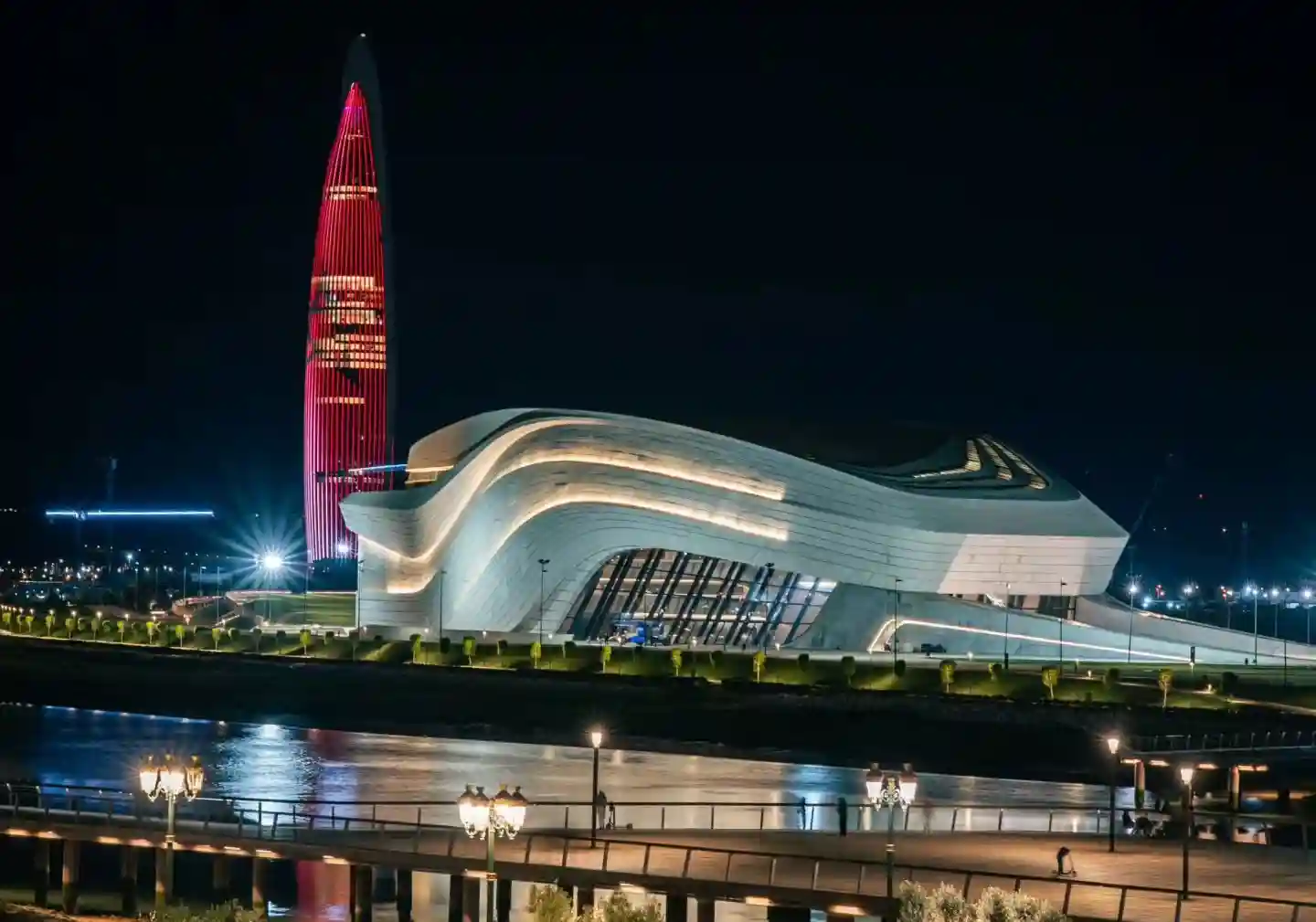
Here's something that surprised me. Rabat is the capital of Morocco, but it's only the country's seventh-largest city, with around 500,000 people.
It became the capital in 1912, after the Treaty of Fes, when the capital was moved from Fes to Rabat. That same year, Morocco became a French protectorate. In 1956, Morocco gained independence from France — but the capital stayed in Rabat.
It's also one of Morocco's four imperial cities. Good to know before you go.
Starting at the Kasbah of the Oudayas
My exploration began at the iconic Kasbah of the Oudayas — an ancient fortress built in the 12th century. It's one of the most emblematic examples of Moroccan Islamic architecture, and standing in front of its gate, you really feel it.
Inside, it's a labyrinth of narrow little alleys. You'll get lost. I got lost. Just embrace it.
Almost every door has incredible architecture. Look out for the beautiful Bab Zubida gate — its frame is decorated with a special five-pointed star, the same one on the Moroccan flag, symbolizing the five pillars of Islam.
And the cats. Oh, the cats. There are so many of them in this kasbah, and the locals take very good care of them. Little houses, food, love. Beautiful to see.
Why the Kasbah Feels So Authentic
What I love about this place is that about 3,000 people still live inside. You feel the community. Locals hanging their laundry from the windows. Neighbors chatting. Small cafés tucked into corners.
There are very few souvenir shops, and you don't feel like you're in a tourist trap at all. I sipped sweet mint tea at a cute little spot called Ohana, looking out over the scene. So peaceful.
From the kasbah, you get a majestic view over the Atlantic Ocean. A lighthouse in the distance. Surfers riding waves. Imagine the soldiers in the 15th century, standing on these walls, watching for enemy ships approaching the city. Incredible.
On the other side, a river flows into the ocean. Across that river is the city of Salé, with its own medina and minaret. Rabat and Salé are twin cities — connected by a tram system called Rabat-Salé, which also links to the airport.
Rabat Changed How I See Morocco's Medinas, Too

The medina here is different. Refreshingly different.
You can browse the shops without being harassed by vendors. Nobody is pushy. The main street is pedestrian only — no motorbikes zipping past you, no pollution fog, no stress. You just walk.
I bought a beautiful Moroccan flag for 40 dirhams (about $4). I also spotted a flag I'd never seen before — turns out it was the Berber flag. As a flag enthusiast, I love these little discoveries.
Deeper in the medina, things feel a bit less polished and more real. Street vendors selling jewelry, coins, watches, plates — everything you can imagine. Lots of street food options, old gentlemen playing cards, and more cats, of course.
Trying the Sardine Sandwich (A Rabat Specialty)

I was told sardines are a Rabat specialty, so I followed my nose to a street food vendor frying fresh fish.
I ordered a mixed sandwich — sardines, eggplant, tomatoes, Moroccan salad, and a potato fritter called ma'akouda. All stuffed into a huge flatbread.
It was spicy. Really spicy. A special hot sauce on top that knocked me sideways. The bread was maybe a bit too thick, but honestly? It was exactly what I needed. Absolutely delicious.
An Unexpectedly Clean and Organized City
I have to say it clearly: Rabat is cleaner and more organized than I ever imagined. Outside the kasbah, I looked at the walls, the street, the pedestrian path. No graffiti. No trash. No beggars. Nothing.
Compare that to the center of Rome around the Colosseum — covered in fresh graffiti. So yes, bravo, Rabat.
I also tested something I always test in a new country: how long you wait at a pedestrian crossing before someone stops for you. In Rabat? A few seconds. Drivers stopped, waved us through. Bravo, Morocco.
Hassan Tower at Golden Hour
If you want to catch the magic of Rabat, go to the Hassan Tower at sunset.
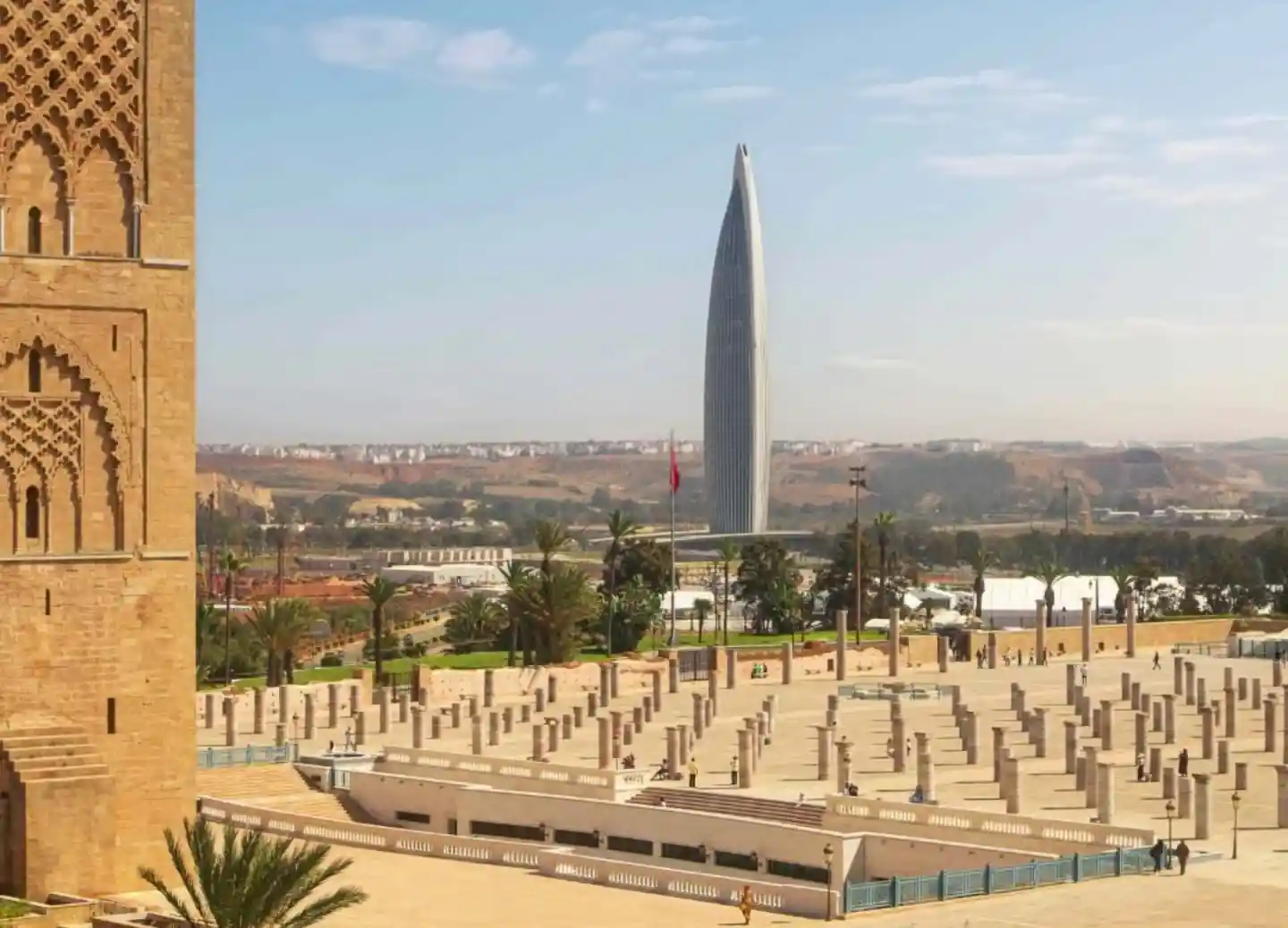
This unfinished minaret, built at the end of the 12th century by Al-Mansur, was meant to be the tallest minaret in the world. The mosque around it was supposed to be the largest in the ancient Muslim world.
But when Al-Mansur died in 1199, construction stopped. Today, what remains are the surrounding walls and 348 columns that were meant to support the structure. The minaret itself stands at 44 meters and can still be seen from many points across Rabat.
Standing there during golden hour is pure magic. Fascinating and peaceful all at once.
The French-Era New City
Because Morocco was a French colony in the early 20th century, the new city — the modern area outside the medina — was entirely rebuilt by French architects. And it's beautiful.
Wide palm-lined boulevards. Gardens down the middle. The Bank of Morocco building with the Moroccan flag flying proudly. Elegant post office and telephone buildings. It feels majestic.
At almost 7 PM, during rush hour, it was still calm. No honking, no noise. Just office workers heading home in a relaxed flow.
Practical Tips for Visiting Rabat
How to get there: Rabat has its own airport (Rabat-Salé), and the tram system connects the airport, Rabat, and Salé easily. Trains from Casablanca, Fes, and Marrakech are frequent and comfortable.
Best time to visit: Golden hour at Hassan Tower is non-negotiable. Mornings are lovely for exploring the Kasbah of the Oudayas before it warms up.
Where to eat: Try the sardine street food near the medina square. For couscous, sit-down restaurants are easy to find — just ask for the mixed special.
A tip from me: Don't rush. Rabat rewards slow travelers. If you're coming from Fes or Marrakech, let yourself decompress here.
Final Thoughts: Rabat Changed How I See Morocco
If you're looking for a relaxing place in Morocco, Rabat is probably your best option. It's not chaotic. It's not overwhelming. It's elegant, authentic, and full of quiet surprises.
I came expecting modern and boring. I left thinking Rabat might be the most underrated city in the country.
Have you been to Rabat? Did it surprise you too? Or are you planning your first visit and wondering if it's worth adding to your itinerary? Drop a comment below — I'd love to hear your thoughts, your favorite spots, or your questions. Let's chat Morocco. 