
Many travelers ask me: do they celebrate Christmas in Morocco? The answer might surprise you. Morocco is a Muslim country—about 99% of us are Muslim—so Christmas is not an official holiday here. But that doesn't mean you won't see any signs of the season if you visit in December.
Living in Morocco my whole life, I've watched how our country welcomes visitors from all backgrounds. During December, some hotels put up decorations, expatriate families gather for celebrations, and small Christian communities hold their services. It's quiet compared to Western countries, but there's a special beauty in how Morocco respects different traditions while keeping its own identity strong.
In this guide, I'll share what you can expect if you visit Morocco during Christmas time. I'll show you where to find celebrations if you want them, and—more importantly—I'll tell you about the wonderful Moroccan winter traditions that make December special here.
Understanding Religion and Holidays in Morocco
Morocco has a rich history of religious diversity. Most of us are Muslim, but we also have small Jewish and Christian communities who have lived here for centuries. In Islam, we respect Jesus (we call him Issa) as an important prophet, but we don't celebrate his birth like Christians do.
This is why Christmas is not a public holiday in Morocco. Schools and offices stay open. Markets continue as usual. But Morocco has always been a place where different faiths live side by side. You'll find old synagogues in Fez, churches in Casablanca, and mosques everywhere—all part of our shared history.
Where to Find Christmas Traditions in Morocco
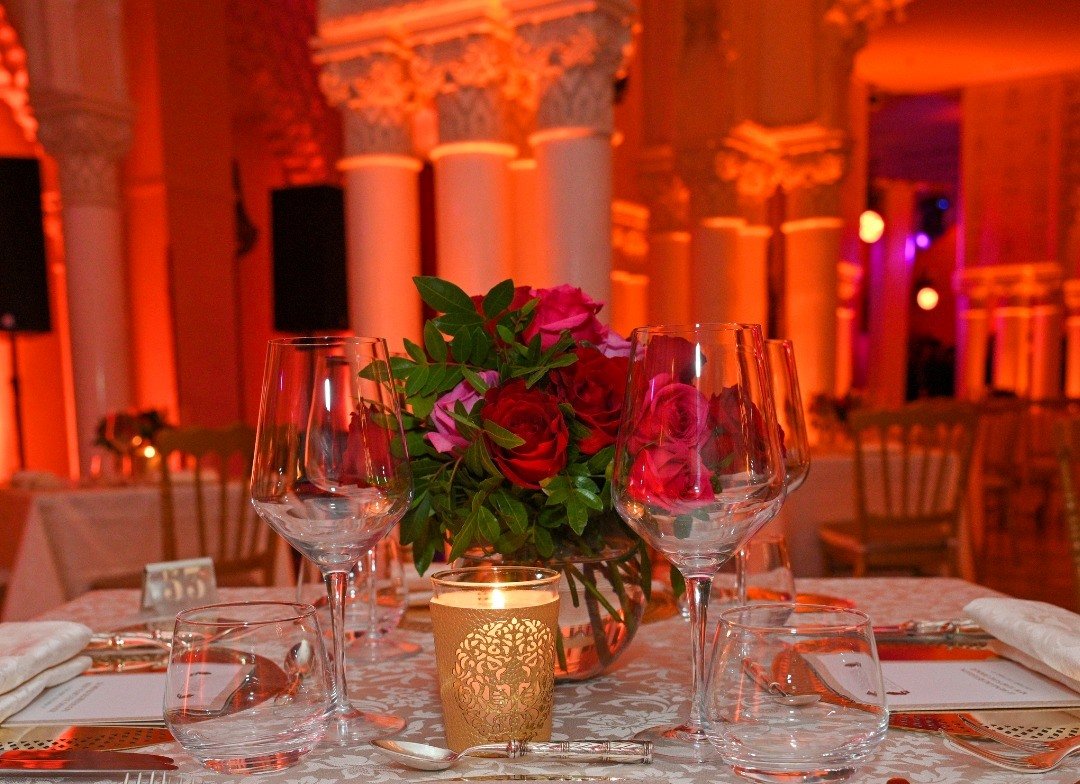
If you're looking for christmas traditions in morocco, here's where you might spot them:
In Tourist Cities
The biggest cities with many foreign visitors show the most holiday spirit:
Casablanca has several luxury hotels that decorate their lobbies with Christmas trees and lights. Some restaurants serve special holiday menus. The modern shopping malls sometimes put up subtle decorations too.
Marrakech attracts many European tourists in December. High-end riads and hotels organize Christmas dinners. You might hear Christmas music in cafes that cater to tourists.
Rabat, our capital, has some of the country's Christian churches. The Catholic Cathedral sometimes holds Christmas services that visitors can attend.
At Churches and Christian Communities
Morocco's small Christian population celebrates Christmas quietly but meaningfully. Here are some places:
- The Catholic Cathedral in Rabat holds Christmas Mass
- St. Andrew's Anglican Church in Tangier welcomes visitors for Christmas worship
- The Protestant Church of Morocco has small congregations in several cities
These communities are friendly and often welcome respectful visitors who want to attend services.
In Expatriate Neighborhoods
Some areas have many European residents. In Casablanca's European quarters or Rabat's Agdal neighborhood, you might find:
- Small Christmas markets
- Holiday parties in private homes
- Christmas events at international schools
- Shops selling Christmas items
One December, I helped a French family who runs a café in Casablanca find decorations. They wanted to make their regular customers feel at home. They kept it simple—a small tree, some lights—but it brought joy to people far from their families.
What Morocco Offers Instead: Winter Traditions
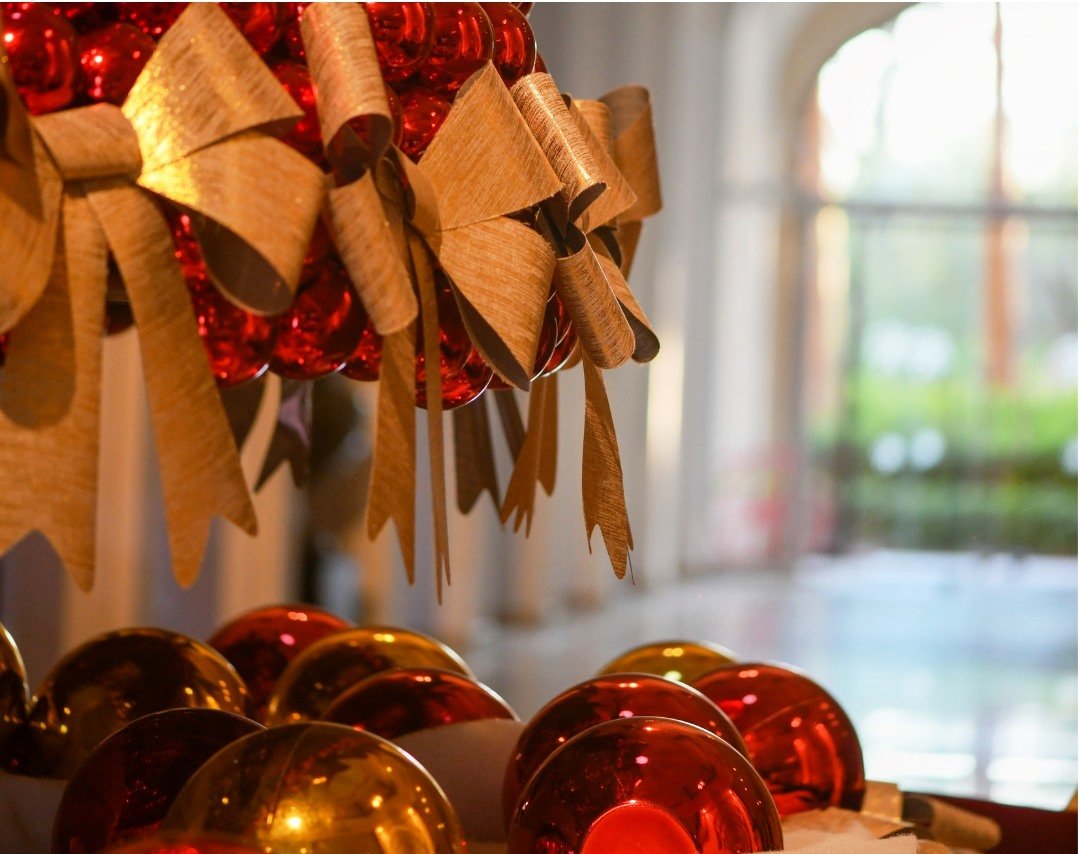
Instead of looking for Christmas, I encourage you to discover Moroccan winter traditions. December is a beautiful time here, and we have our own special ways to enjoy the season.
Warm Foods for Cold Days
When winter comes, Moroccan kitchens fill with comforting smells:
Bissara is a thick soup made from fava beans. Street vendors sell it hot in the mornings. We eat it with olive oil, cumin, and fresh bread. It warms you from the inside.
Harira is a tomato-based soup with lentils, chickpeas, and meat. We usually eat it during Ramadan, but it's perfect for any cold evening.
Sfenj are Moroccan doughnuts, crispy outside and soft inside. Street vendors fry them fresh, and we eat them with honey or sugar while they're still warm.
The Hammam Experience
December is perfect for visiting a traditional hammam (public bath). The hot steam rooms feel amazing when it's cold outside. The ritual of scrubbing and relaxing has been part of Moroccan life for centuries. Every neighborhood has a hammam, and it's an experience every visitor should try.
Tea Culture in Winter
We drink mint tea year-round, but winter tea ceremonies are special. Families gather around hot tea glasses, wrapped in blankets, talking for hours. The sweet, hot tea with fresh mint leaves is Morocco's version of comfort on a cold day.
Practical Tips for Visiting Morocco in December
Planning a December trip to Morocco? Here's what you should know:
1. Book Early
December is high season because many European tourists come for winter sun and year-end holidays. Hotels fill up quickly, especially in popular places like Marrakech and Essaouira. Book at least two months ahead.
2. Pack for Cool Weather
Many people think Morocco is always hot. Not in December! Bring layers, especially if you're visiting:
- The Atlas Mountains (it can snow!)
- The desert at night (temperatures drop fast)
- Coastal cities (mornings and evenings get chilly)
A warm jacket, comfortable walking shoes, and a scarf will serve you well.
3. Respect Local Customs
While you might see some Christmas decorations, remember this is a Muslim country. Public displays of religious holidays are kept low-key. This is normal and respectful. You won't offend anyone by taking photos of hotel decorations, but don't expect big public celebrations.
4. Learn Basic Greetings
A simple "Salam alaikum" (peace be upon you) makes Moroccans smile. Many of us also speak French, so "Bonjour" works too. These small efforts to connect mean a lot to locals.
5. Perfect Weather for Adventure
December offers ideal temperatures for:
- Sahara Desert trips (not too hot during the day, beautiful at night)
- Hiking in the Atlas Mountains (clear skies, cool air)
- Exploring cities (comfortable for walking all day)
Last December, I took friends to the Sahara. The daytime was warm but pleasant, and the night sky was incredible—so clear you could see thousands of stars. We sat around the fire with Berber guides, drinking tea and sharing stories. No Christmas decorations needed—that was magic enough.
New Year's Eve: Morocco's Big December Celebration
Want a big December celebration? Wait for New Year's Eve! Moroccans love celebrating New Year (we call it Réveillon):
- Hotels and restaurants host elaborate parties
- City squares fill with people
- Fireworks light up the sky in Casablanca, Marrakech, and Rabat
- Live music plays in many venues
It's festive, fun, and open to everyone regardless of religion. If you're in Morocco for the holidays, this is the celebration to attend.
Yennayer: The Amazigh New Year
December 31st has another meaning for some Moroccans. It marks Yennayer, the Amazigh (Berber) New Year. In the Atlas Mountains and southern regions, some communities celebrate with:
- Special traditional meals
- Music and dance performances
- Family gatherings
This is part of Morocco's indigenous heritage. If you're traveling in Berber regions during this time, you might witness these beautiful traditions.
Making the Season Meaningful
The holiday spirit isn't only about decorations and specific dates. When I see Western tourists in Morocco during December, I remind them that generosity and kindness are valued year-round here. Consider:
- Buying from local artisans (supporting families)
- Bringing school supplies to share with children
- Visiting artisan cooperatives where women make traditional crafts
- Tipping guides and service workers generously
These actions honor the true spirit of giving and create real connections.
Final Thoughts: Embracing Different Traditions
So, do they celebrate Christmas in Morocco? Not officially, but you'll find small celebrations among expatriates, in tourist areas, and within Christian communities. The real gift of December in Morocco isn't finding familiar traditions—it's discovering new ones.
What makes Morocco special is our openness. We respect religious minorities and welcome visitors from everywhere. You'll see this in our architecture (mosques, synagogues, and churches standing together), our food (mixing Arab, Berber, Jewish, and European influences), and how we treat guests.
If you visit Morocco in December, come with curiosity. Try our winter foods. Visit a hammam. Hike in the mountains. Sit in a café with hot tea. Join the New Year's Eve celebrations. The memories you make will be better than any Christmas decoration.
Morocco offers something different, something authentic. And sometimes, that's exactly what we need during the holidays—a chance to see the world through new eyes.
Have you visited Morocco in December? Did you find any Christmas celebrations, or did you embrace Moroccan winter traditions instead? Share your experiences in the comments below. I'd love to hear your stories!