
Salam, friend! Let me tell you about a place that captured my heart in ways I never expected. Tucked away near the Algerian border, Figuig Morocco feels like stepping into another era—a peaceful desert oasis where ancient traditions still breathe life into everyday moments.
Most travelers race between Marrakech and the Sahara dunes, but Figuig? This hidden gem rewards those who venture off the beaten path. During my visit, I discovered seven ancient fortified villages, endless palm groves heavy with dates, and hospitality so genuine it reminded me why I fell in love with Morocco in the first place.
If you're tired of crowded tourist spots and crave authentic connections with local culture, keep reading. Figuig might just become your favorite Moroccan discovery.
Why Visit Figuig Morocco?
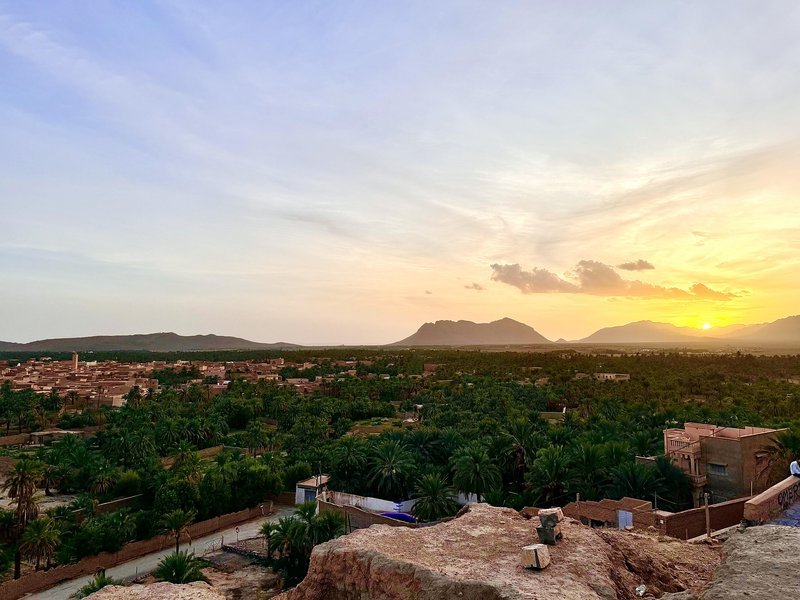
Figuig sits in eastern Morocco, earning its nickname "Pearl of the Desert" through centuries of resilience and beauty. The journey there winds through changing landscapes until suddenly—like magic—lush greenery appears against the desert backdrop.
What makes Figuig special isn't just what you see. It's what you feel. The air carries the sweet scent of date palms. Silence wraps around you, broken only by rustling leaves and distant voices. After experiencing the energy of cities like Casablanca, this tranquility feels like exhaling after holding your breath.
The locals welcomed me with immediate warmth. Within hours, I was sharing mint tea with families who've called these ancient villages home for generations. That's the real treasure here—genuine human connection in an increasingly rushed world.
Step Inside History: The Seven Ksars
The soul of Figuig lives within its seven traditional fortified villages, called ksars. Built from mudbrick and stone, these structures protected communities from harsh desert conditions and historical conflicts. Each ksar—Loudaghir, Lamaïz, Laabidate, Ouled Slimane, Hammam Foukani, Hammam Tahtani, and Zenaga—has its own personality and story.
Walking through the narrow, maze-like alleys feels like traveling through time. The architecture amazed me, especially understanding how these designs keep interiors cool even when outside temperatures soar past 40°C. Small windows and thick walls aren't just aesthetic choices—they're centuries-old climate engineering.
Ksar Zenaga stands as one of the largest and offers incredible glimpses into traditional life. As I wandered these passages, I couldn't help imagining the countless generations who walked the same paths, raised families within these walls, and passed down their stories.
The Berber and Islamic architectural influences blend beautifully here. If you appreciate sustainable design (and I do, given my construction background), you'll find inspiration in structures that solved climate challenges centuries before "green building" became trendy.
The Green Heart: Figuig's Palm Groves
Surrounding the ksars are vast palm groves stretching over 12 square kilometers. These aren't just pretty scenery—they're Figuig's lifeblood, sustaining the community for centuries through date production.
Visit during the harvest season (late summer to early autumn) and you'll witness something special. Locals practice traditional harvesting methods passed down through generations. I joined one of these harvests, climbing among the palms and feeling directly connected to the land's rhythms. The dates here? Some of the best you'll ever taste.
What really fascinated me was the khattara irrigation system. This ancient engineering channels water from underground sources to nourish the oasis—a sustainable model combining traditional wisdom with practical problem-solving. Walking through these groves feels like discovering nature's secret garden in the middle of the desert.
Beyond the Oasis: Desert Adventures
While Figuig isn't the vast Sahara, the surrounding desert offers its own quiet beauty. It's perfect for reflection and relaxation, far from tourist crowds.
You can arrange camel rides or try sandboarding if adventure calls to you. But honestly? Some of my best moments came from simply sitting still as the sun set. The sky transforms into a canvas of colors you won't believe until you see them yourself.
One evening, I watched stars emerge over the desert until the sky looked like someone scattered diamonds across black velvet. That celestial show, experienced in complete silence, stays with me still.
Taste the Culture: Markets and Local Life
Figuig's local markets engage all your senses. Fresh produce, handmade crafts, and friendly faces create an authentic shopping experience without aggressive selling.
What I recommend most? Staying in a traditional guesthouse. Many families have opened their mudbrick homes to visitors, offering something hotels never can—genuine cultural immersion. Sharing home-cooked meals with local families taught me more about Moroccan culture than any guidebook could.
The culinary heritage here shines through every dish. And those dates I mentioned? They're practically legendary. Sweet, perfectly textured, and picked fresh from the surrounding groves.
Practical Tips for Your Figuig Visit
Best Time to Travel
October through April offers ideal conditions. Temperatures stay moderate, and the weather is generally dry and sunny—perfect for exploring. I visited in late spring and found warm days with beautifully cool, clear evenings.
Summer (June to September) gets very hot, sometimes exceeding 40°C. If you choose summer, prepare accordingly and plan activities for early morning or late afternoon.
Getting There
Figuig's remoteness adds to its charm but requires planning. Buses from cities like Oujda provide access, and the journey itself rewards you with incredible landscape views. Morocco's shared taxis also connect towns, though they operate on a "full car" basis—leaving only when all seats are taken.
Once in Figuig, wandering the oasis, ksars, and markets is largely free or tip-based. For specific activities like camel rides, local guides can arrange everything.
Where to Stay
Figuig offers several guesthouses and small hotels, many in traditional dwellings. Staying in these provides authentic experiences you'll remember forever. The lower tourist traffic means finding accommodation spontaneously is usually easy.
Safety and Cultural Respect
Figuig is generally safe for tourists. As everywhere, stay aware of your surroundings, especially at night, and respect local customs. Morocco is predominantly Muslim, so dressing modestly—particularly when visiting religious sites—shows appreciation for local culture.
A simple "Salam" (hello) and a smile work wonders for building connections. Moroccans are incredibly friendly, and small gestures of respect go a long way.
The Rich Cultural Tapestry
Figuig's history stretches back to the 8th century, established as a vital stop along ancient trade routes. The local language blends South Oran Berber with Moroccan Arabic—a linguistic testament to the region's diverse influences.
The Jewish community also shaped Figuig's history, living here for centuries as potters, millers, and jewelers before leaving in the 1950s. Two ancient cemeteries mark their presence, adding another layer to this town's rich cultural fabric.
Figuig vs Other Moroccan Destinations
How does Figuig compare to other Moroccan spots? Let me break it down:
- Marrakech brings bustling souks, palaces, and vibrant energy with very high tourist traffic
- Chefchaouen offers blue-painted beauty and Rif Mountain scenery with moderate crowds
- Merzouga provides classic Sahara dune experiences with camel treks and desert camps
- Figuig delivers authentic cultural immersion, ancient history, and peaceful exploration with minimal tourist traffic
Figuig isn't about checking boxes on a tourist list. It's for slow travelers, history enthusiasts, and peace-seekers wanting to experience Morocco beyond the guidebook highlights.
Your Figuig Journey Awaits
Figuig offers something increasingly rare in our fast-paced world—a chance to slow down and truly connect. The ancient ksars, life-giving palm groves, and warm-hearted people create experiences that linger long after you leave.
This isn't just a journey across landscapes. It's a journey into Morocco's soul, into traditions that have survived centuries, and into connections that remind us what travel is really about.
Have you visited remote oases or hidden gems in Morocco? What draws you to off-the-beaten-path destinations? Share your thoughts in the comments below—I'd love to hear about your adventures!
Ready to explore more hidden Moroccan treasures? Check out our guides to other authentic destinations where you can experience the real Morocco away from tourist crowds.