
Zagora Morocco holds a special place in my heart. This desert town in southeastern Morocco is where ancient caravan routes meet endless golden dunes, and where Berber hospitality makes every traveler feel at home. Many people rush through Zagora on their way to the bigger dunes, but they're missing something magical. This town has its own stories to tell, and after exploring it myself, I want to share why Zagora deserves more than just a quick stop.
Why Zagora Should Be on Your Morocco Itinerary
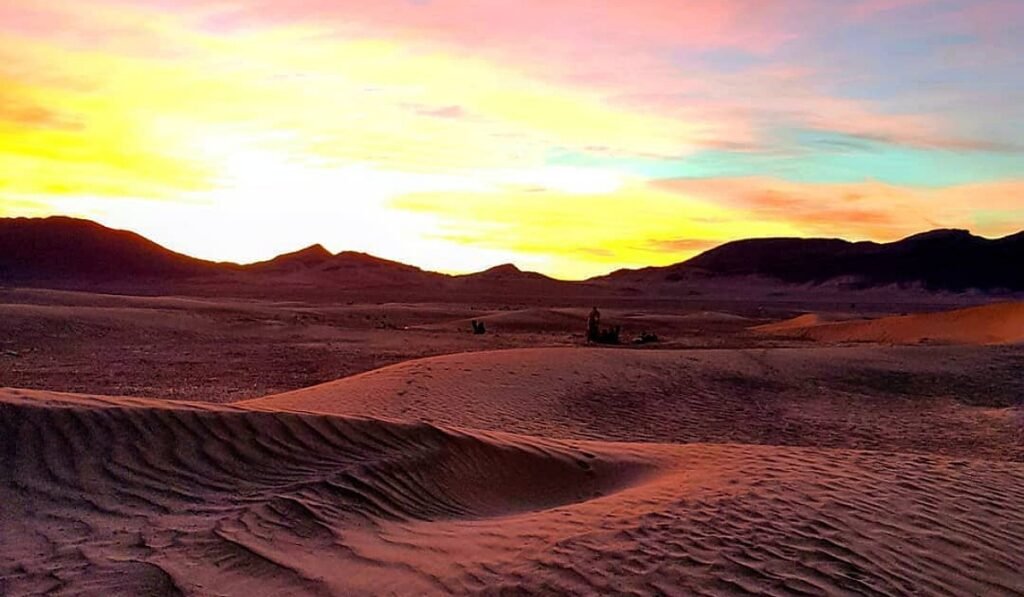
Zagora sits at the edge of the Sahara Desert, about 7.5 hours southeast of Marrakech. For centuries, traders passed through here on their way to Timbuktu, carrying spices, gold, and textiles across the sand. Today, that trading spirit lives on in the bustling souks, while the desert continues to draw travelers seeking authentic Sahara experiences.
What makes Zagora different? It's less crowded than other desert towns, more affordable, and offers a genuine glimpse into desert life. The Draa Valley stretches out like a green ribbon through the arid landscape, palm groves provide shade and dates, and traditional kasbahs dot the horizon like ancient fortresses.
Starting Your Desert Adventure: Camel Treks and Star-Filled Nights
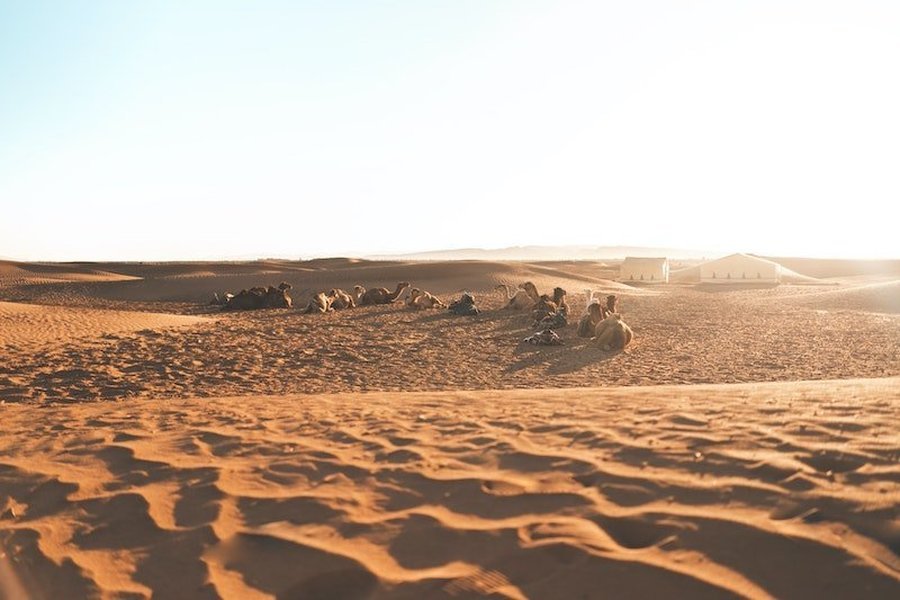
The Magic of Camel Trekking
There's something timeless about riding a camel into the Sahara. The gentle sway, the crunch of sand under the camel's feet, the silence that wraps around you. One evening, I joined a small group for a trek toward the dunes. The sun was getting low, painting the sand in shades of orange and gold. Our Berber guide walked ahead, occasionally looking back to make sure everyone was comfortable.
When we reached the camp, night had fallen. The temperature dropped quickly, and someone lit a fire. We sat in a circle, drinking sweet mint tea, while our guide told stories about life in the desert. Above us, the stars were so bright they seemed close enough to grab. That night taught me something: the desert strips away all the noise of regular life and leaves you with what really matters.
Choosing Your Desert Experience
Tours from Zagora Morocco offer different types of camps. You can choose basic bivouac camping if you want the authentic experience, sleeping in traditional Berber tents with minimal facilities. Or you can opt for more luxurious setups with proper beds and private bathrooms. Either way, waking up to a Sahara sunrise is something you'll never forget.
Exploring the Dunes: Tinfou and Beyond
The Tinfou dunes sit close to Zagora, perfect if you only have time for a sunset camel ride. They're smaller than the famous dunes at Erg Chebbi near Merzouga, but they still capture that desert feeling. For longer adventures, many tours head to Erg Chigaga, one of Morocco's largest dune systems. The journey takes you through rocky plains and vast sand seas, showing you just how diverse the Sahara really is.
If you prefer wheels to camels, 4WD excursions offer a different perspective. These off-road safaris bounce you across the terrain, taking you to remote spots most tourists never see.
Understanding Zagora's Rich Heritage
The Draa Valley: Where the Desert Blooms
The Draa Valley surprised me the first time I saw it. After driving through dry, rocky landscape, suddenly there's this explosion of green. Date palms grow thick along the riverbed, and small villages cluster in the shade. Walking through the palmeraie feels peaceful. You'll see farmers working among the trees, tending to the date palms that provide fruit and income for local families.
The Draa River doesn't always flow with water, but when it does, it breathes life into everything around it. This valley has supported communities for centuries, proving that even in harsh environments, people find ways to thrive.
Kasbahs: Architecture Built for the Desert
My construction background makes me appreciate how smart traditional Moroccan building really is. The kasbahs and ksours around Zagora Morocco are made from mud brick, with thick walls and small windows. This isn't just style; it's survival. Those thick walls keep the inside cool when summer temperatures hit 42°C, and warm when winter nights drop to -10°C.
While Zagora doesn't have grand monuments like Marrakech, it has the Kasbah Ait Ben Haddou nearby, a UNESCO World Heritage site that looks like it grew straight from the earth. The remains of an Almoravid fortress on Jbel Zagora tell stories of when this town needed defending from desert raids.
If you want to learn more about valley life, visit the Musee des Arts Et Traditions de la Vallee de Draa in Ksar Tissergate. The exhibits show traditional tools, clothing, and crafts that locals have used for generations.
The Famous Timbuktu Sign
You'll see the sign declaring "Timbuktu 52 days" somewhere in Zagora. It marks the old caravan route that once connected Morocco to West Africa. Today, it's mostly a photo spot, but it reminds us that Zagora was once a crucial stop on one of the world's greatest trade networks.
Discovering Local Crafts
Take a trip to Tamegroute, a village about 18 kilometers from Zagora. This place is famous for two things: unique green pottery and an ancient Islamic library. Watching the pottery makers work is fascinating. They shape the clay, fire it in traditional kilns, and glaze it with that distinctive green color you won't find anywhere else in Morocco.
Zagora itself has started embracing street art. Colorful murals pop up on buildings around town, many showing palm trees, kasbahs, and desert scenes. It adds a modern touch to this ancient town.
Living Like a Local: Markets, Food, and Festivals
The Wednesday and Sunday Souks
Market days in Zagora Morocco are special. On Wednesdays and Sundays, the souks outside the city center explode with activity. This isn't a tourist market; it's where locals come to buy and sell. You'll find fresh vegetables, aromatic spices, traditional clothing, handmade crafts, and even livestock.
The atmosphere is electric. Vendors call out their prices, customers inspect the goods carefully, and everyone negotiates. That's the fun part! Bargaining isn't rude here; it's expected. Just agree on the price before you hand over any money, and don't be afraid to walk away if it feels too high.
Tasting Zagora's Flavors
Moroccan food is rich and flavorful, and Zagora delivers. Try tagine, a slow-cooked stew made with meat or vegetables, preserved lemons, and warming spices. Couscous is another staple, usually served on Fridays. Pastillas, sweet and savory pastries, make a special treat.
The dates from the Draa Valley are especially delicious—sweet, soft, and fresh. Look for small local restaurants rather than fancy tourist places. That's where you'll find the most authentic cooking.
Festivals: When Zagora Comes Alive
If you can time your visit right, attending a local festival gives you incredible insight into Berber culture. The Transaharan Film Festival happens in June, celebrating cinema from across Africa. The Festival of Nomads in spring features traditional music, poetry, craft workshops, storytelling, and exciting camel races.
These celebrations aren't staged for tourists. They're genuine community events where locals gather to honor their heritage.
Practical Tips for Your Zagora Visit
Getting to Zagora Morocco
Most travelers reach Zagora by road from Marrakech or Ouarzazate. The journey takes about 7.5 hours by bus or private car. Supratours operates reliable bus services. I always recommend taking the scenic route if possible. The landscapes you pass through—from the dramatic Tizi n'Tichka pass to the fortified villages lining the road—are just as captivating as Zagora itself.
Zagora also has a small airport (OZG) with direct flights from Casablanca, which saves time if you're on a tight schedule.
Getting Around Town
Zagora is small enough to explore on foot, especially the city center. When the heat gets intense or you need to cover more distance, petit taxis are everywhere. Always agree on the fare before starting your journey, since meters aren't commonly used. It's not about being cheated; it's just how things work here.
Best Time to Visit
Spring (March to May) and fall (September to November) offer the most comfortable weather. Summers can be brutally hot—I'm talking 42°C or higher—while winter nights get surprisingly cold, sometimes dropping to -10°C. Dress in layers if you're visiting between November and February.
Where to Stay
Accommodation options range from simple guesthouses to upscale hotels. Many travelers prefer staying in Amezrou, a palm grove hamlet near Zagora, where you'll find charming riads and traditional guesthouses. These converted Moroccan homes offer authentic experiences with modern comforts.
Zagora Compared to Other Moroccan Destinations
People often ask me how Zagora compares to other places in Morocco. Merzouga has taller, more iconic dunes, but it's also more touristy and expensive. Marrakech offers incredible city life but no desert access. Chefchaouen provides mountain charm but no camels or dunes.
Zagora sits in a sweet spot: authentic desert experiences, rich Berber culture, historical kasbahs, and palm-lined valleys, all without the crowds you'll find in more famous spots. It's also more affordable, making it perfect for budget-conscious travelers who still want quality experiences.
Your Zagora Adventure Starts Here
Zagora Morocco taught me that the best travel experiences often happen in places you almost skip. This town won't overwhelm you with grand monuments or luxury resorts. Instead, it offers something rarer: authenticity. The desert here still feels wild. The kasbahs still tell their ancient stories. The people still welcome you with genuine warmth.
Whether you spend one night under the stars or several days exploring the Draa Valley, Zagora will leave its mark on you. The silence of the desert, the taste of sweet dates, the rhythm of camel hooves on sand—these memories stick with you long after you've left.
So, have you been to Zagora? Or are you planning a trip? I'd love to hear about your experiences or help answer any questions you have about visiting this special corner of Morocco. Drop a comment below and let's talk about desert adventures!