
Morocco is not for everyone — and that is exactly what makes it worth visiting.
Tucked into North Africa where the Atlantic Ocean meets the Mediterranean, this country is a tapestry of contrasts. Every corner tells its own story. The maze-like medinas overflow with vendors selling saffron, cumin, and paprika, while the scent of fresh mint tea poured from silver teapots hangs in the air. If you are looking for a quiet, relaxing holiday, Morocco may not be your best bet. But if you are up for something beautifully chaotic, it is hard to beat. Spending 10 days in Morocco gave me the perfect window to explore five very different cities — each one unforgettable in its own way.
Sure, there were moments where I felt completely out of my comfort zone. But isn't that what travel is all about?
Day 1–2: Tangier — The Perfect Introduction to Morocco
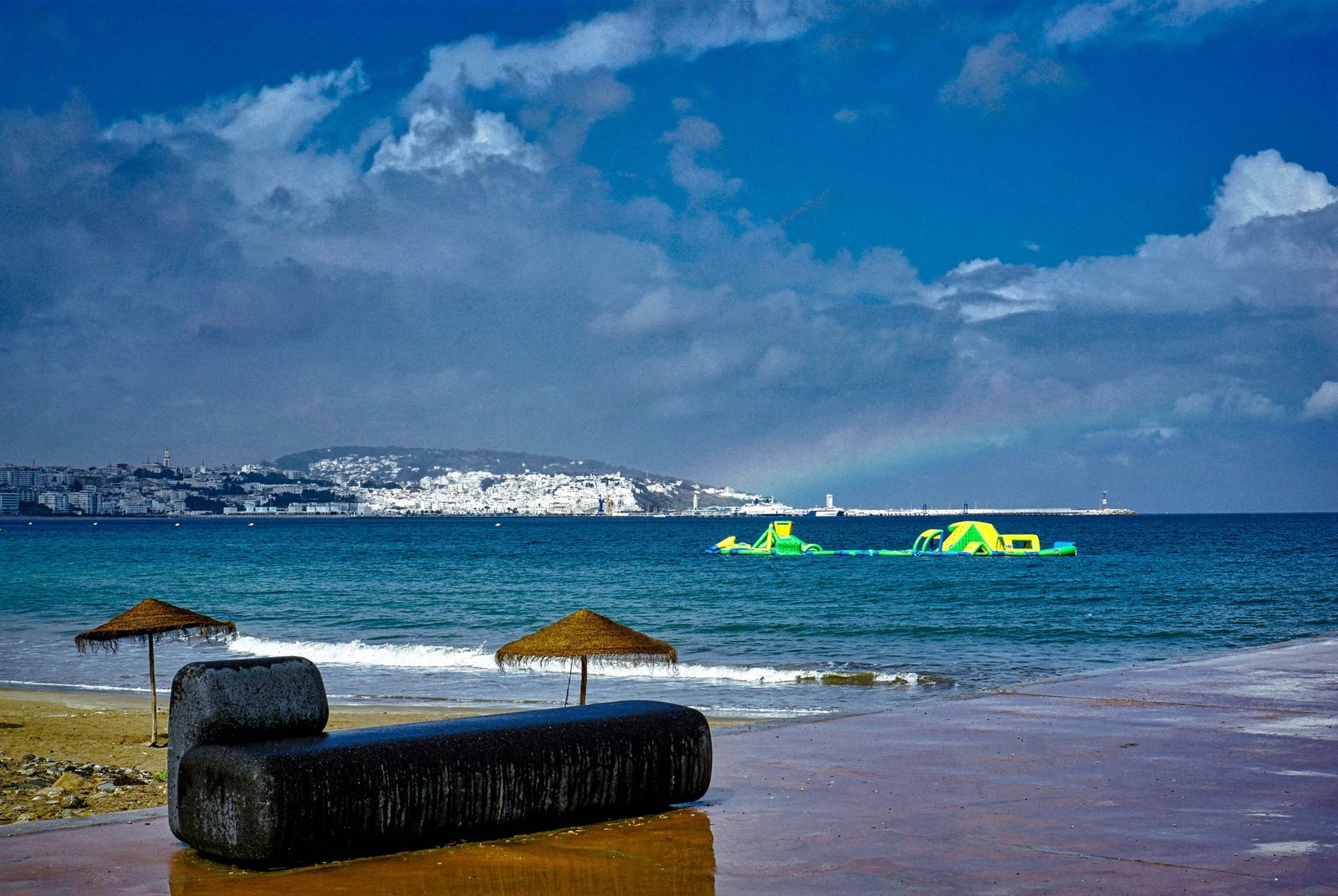
Every great trip needs a good starting point, and Tangier is the ideal one for Morocco. Staying in the new town near the municipal beach, this area is more modern than the old medina — a gentle first step into Moroccan life.
One of the first things you notice in Tangier is how friendly people are. When I arrived at my apartment, a shop owner next door — without being asked — helped me find my way inside, guided me to the elevator, and showed me the room. These small moments of kindness in broken French set the tone for the entire trip.
Tangier is a city made for walking and café hopping. Café Tingis is a must — the legendary Anthony Bourdain visited here, and the mint tea does not disappoint. But the best cup? That was at Grand Café de Pararei, where the colors, the fresh mint, and the atmosphere all come together perfectly.
A Dining Experience You Should Not Miss
Speaking of Bourdain — he may have been the reason Tangier ended up on my list. And no regrets, because one restaurant there absolutely blew my mind.
It is a small, hole-in-the-wall spot with maybe 20 seats and a set menu. No choices — they decide what you eat and drink, and that is the beauty of it. The meal started with fresh olives, roasted walnuts, and warm bread alongside a unique juice made from raisins, figs, strawberries, and herbs. Then came shark meat (a first for me — you honestly could not tell it apart from any other fish), followed by a traditional tajine — a Moroccan stew with fish, vegetables, and herbs, slowly cooked over charcoal and sizzling as it reached the table. Dessert was simple: fresh fruit with nuts and honey.
If you visit Tangier for even a single day, this restaurant is worth the trip. Even if you have to wait in line.
Day 3–4: Chefchaouen — The Famous Blue City
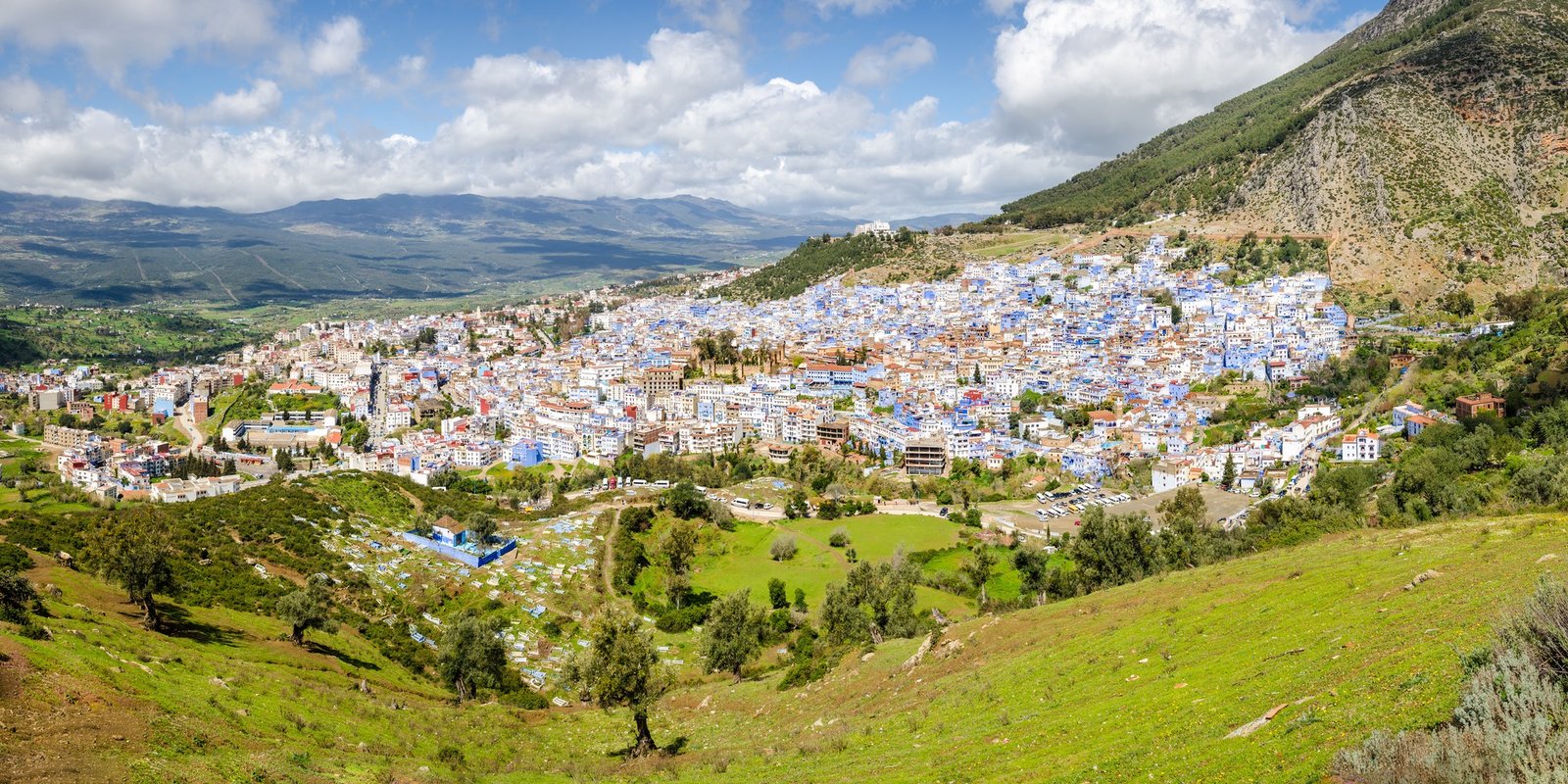
Chefchaouen was one of the most anticipated stops on my 10 days in Morocco itinerary — the famous Blue City that you see online and think, "How can this place actually be real?
Having a local guide made all the difference here. Our guide had lived in Chefchaouen his entire life, and walking through the town with him felt truly special. He took us to a natural spring just outside the medina where water flows down from the nearby mountains. Locals use it as a communal watering hole — we saw people washing fruit there, and apparently some even do their laundry.
Why Is Chefchaouen Blue?
The backstory is not what most people expect. In the 1930s, Jewish refugees fleeing Hitler's reach settled here and painted their homes blue as a reminder of the sky, the heavens, and God's power. Most of the Jewish population left for Israel in 1948, but every spring, the local government still hands out paintbrushes to keep Chefchaouen's signature look alive.
There is also a less poetic theory — that blue paint repels mosquitoes by mimicking the look of running water. Take that one with a grain of salt.
My favorite part? Stumbling upon a communal oven in the medina. Many homes inside the old walls don't have their own ovens, so residents bring their bread, cookies, and meals here to bake. It is a beautiful example of community life in Morocco.
For lunch, Café Ciudad is a great spot to try goat cheese — a specialty in the Rif and Atlas Mountain regions where goats are commonly raised. The goat cheese salad paired with a veggie tajine made a perfect meal.
Day 5–7: Marrakech — The Busy Heart of Morocco
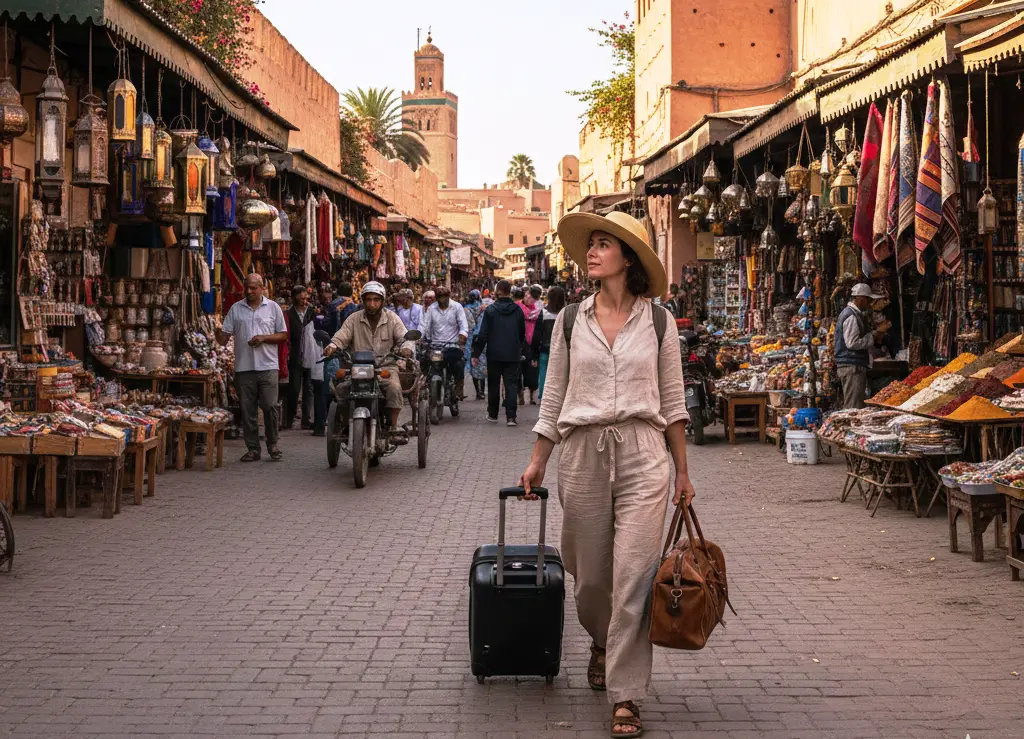
Marrakech is where most tourists end up — it is the main gateway to the Sahara Desert and historically a major trade hub where caravans carrying gold, salt, ivory, and spices from sub-Saharan Africa passed through on ancient trade routes.
Staying in a Traditional Riad
My personal highlight in Marrakech was staying in a riad — a traditional Moroccan house — inside the medina. Most riads have fewer than 10 rooms, beautiful rooftop terraces for meals and sunsets, and an open-air courtyard that stretches from the main floor right up through the building. The colors — terracotta, green, pink — were stunning.
An Honest Take on Marrakech's Medina
Here is where I want to be candid. The medina in Marrakech was a bit of a letdown for me. Many vendors sell the same mass-produced souvenirs, and the motorcycles weaving through the narrow streets can make the air thick and hard to breathe. It felt more catered to tourists than I had expected.
That said, this is an honest reaction — and every traveler's experience is different. Just be prepared for aggressive sales tactics, especially inside the medina. It is not personal; vendors are simply competing for business. Keep a friendly attitude, say "la shukran" (no thank you), and move on.
Day 8–9: Essaouira — The Coastal Escape
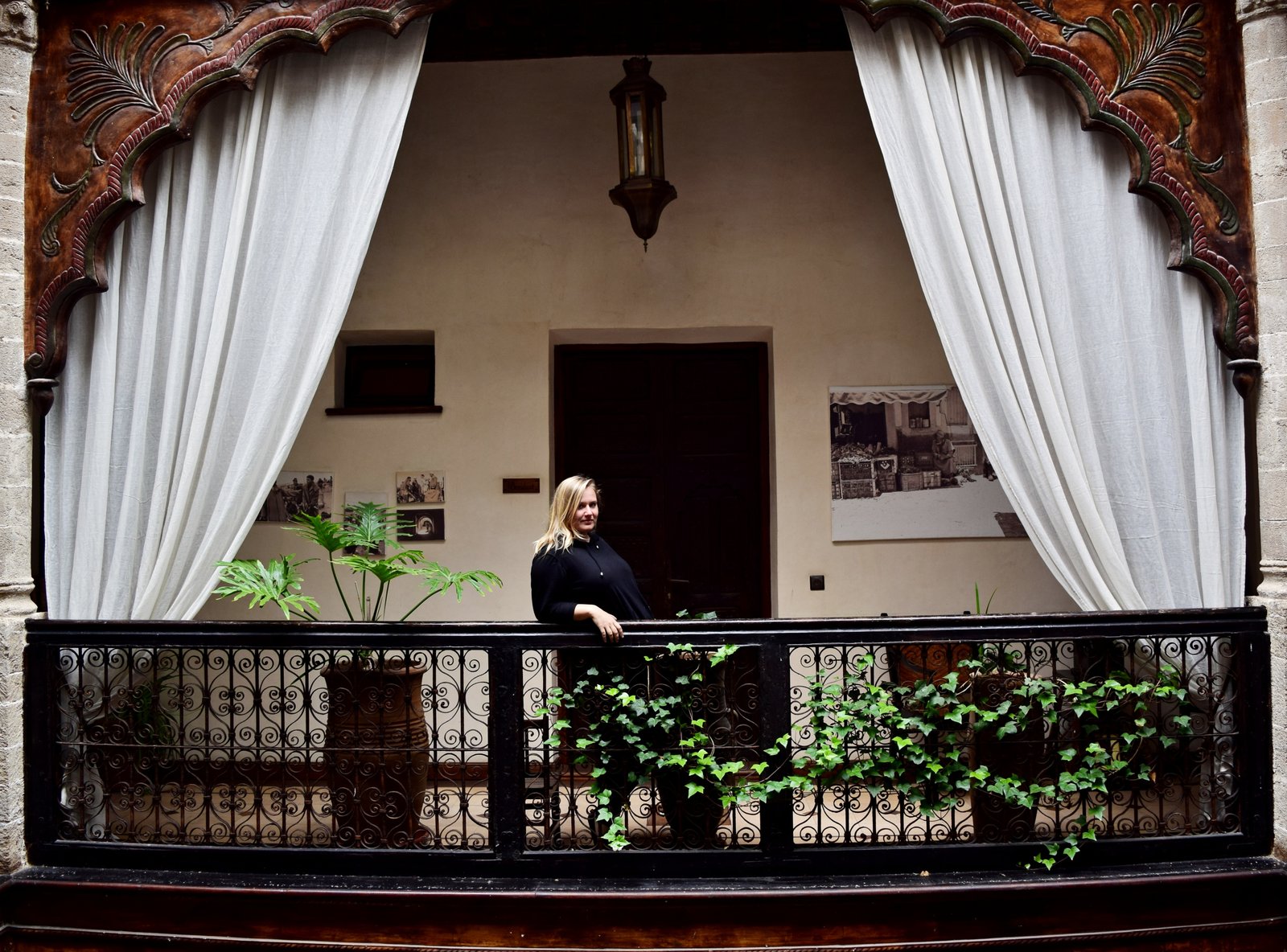
After the intensity of Marrakech, Essaouira felt like a breath of fresh ocean air. On the drive there, we stopped to see the famous argan tree goats — goats that climb argan trees to eat the fruit, creating a surreal sight. (Worth noting: welfare groups have raised concerns about goats being placed in trees for tourist photos, so be mindful of this.)
We also visited an argan oil cooperative where women crush argan nuts by hand — a fascinating look at one of Morocco's most famous exports.
Essaouira itself feels like the best of both worlds — the ocean breeze of Tangier combined with the colorful charm of Chefchaouen. The medina here felt like the most authentic one I visited during my 10 days in Morocco. I even watched a craftsman weaving a carpet by hand, which was reassuring after seeing so many mass-produced goods elsewhere.
The city's 18th-century ramparts are a highlight — built by European military architects to protect the port, these walls stretch along the seafront with lookout points and original cannons still in place. It is also the best vantage point to watch waves crash against the rocks and fishing boats bobbing in the harbor.
Day 10: Casablanca — A Surprising Favorite
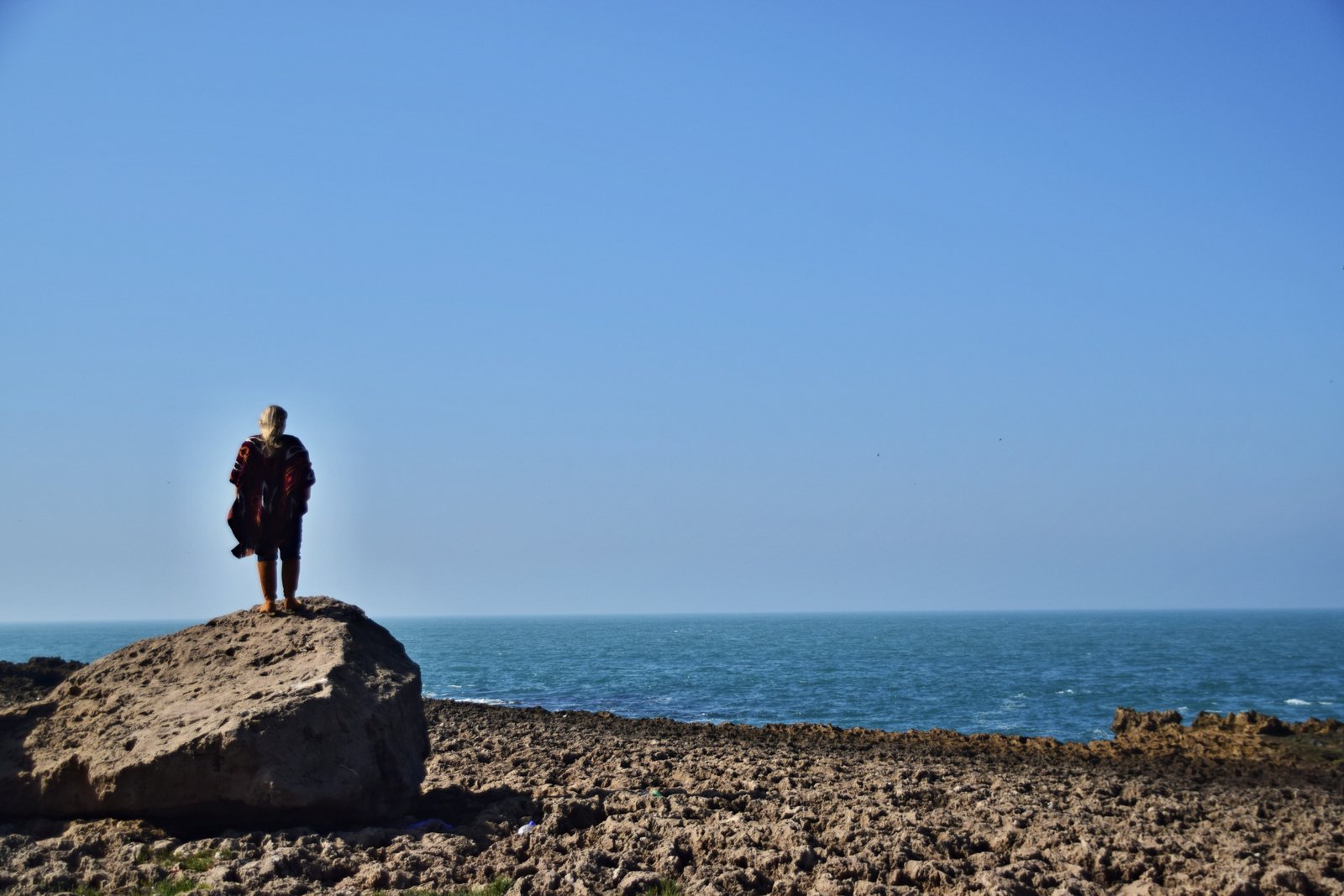
Before arriving in Casablanca, someone on our tour warned us to skip it entirely and visit Rabat instead. My advice? Never let someone else's opinion stop you from experiencing a place yourself.
Casablanca turned out to be one of the most rewarding stops. The Hassan II Mosque is breathtaking — especially at night, when families gather, kids play soccer nearby, and the whole area has a warm, communal energy.
What makes Casablanca special is its authenticity. While cities like Marrakech have become tourist hotspots filled with souvenir shops and soccer jerseys, Casablanca's medina feels like stepping back in time. It is intense, yes — vendors are more aggressive here — but outside the medina walls, the city has a completely different, more relaxed feel. The contrast between old and new is more noticeable in Casablanca than anywhere else I visited.
Practical Tips for Your 10 Days in Morocco
- Safety: Morocco is a very safe country. The worst you will likely encounter is petty crime or pickpocketing — standard for any tourist destination.
- Scams: They exist, especially in busy medinas. Stay polite, stay confident, and don't feel pressured.
- Language: Don't worry if you don't speak Arabic or French. A simple "Salam" and a smile will take you far. Moroccans are genuinely some of the friendliest people you will meet.
- Mint tea: Drink it everywhere. Every café, every city. You cannot have too much Moroccan mint tea.
- Accommodation: Try staying in a riad at least once for an authentic experience.
- Day trips: Book a guided tour for places like Chefchaouen — you will learn so much more with a local guide.
Final Thoughts: Morocco Is Worth Every Moment
Ten days in this country barely scratched the surface, but what a surface it was. The warmth of Moroccan hospitality, the beauty of the architecture, and the rich culture left me wanting to come back for more.
It is natural to feel a little nervous before visiting a new country, especially one with strong opinions floating around the internet. But here is the truth — Morocco is not the scary place some forums make it out to be. The negative stories you read are usually from isolated bad experiences, not the full picture.
My biggest takeaway? The Moroccan people. I can count at least a dozen times where a stranger went out of their way to help when we looked lost or confused. That kind of hospitality is rare, and it is something I will carry with me long after this trip.
Have you visited Morocco? Which city was your favorite — or which one is on your bucket list? Drop your thoughts in the comments below. I'd love to hear your experiences and tips!